Goa Authorities Impose Strict Prohibitory Orders Amid Shivaji Statue Removal Tensions
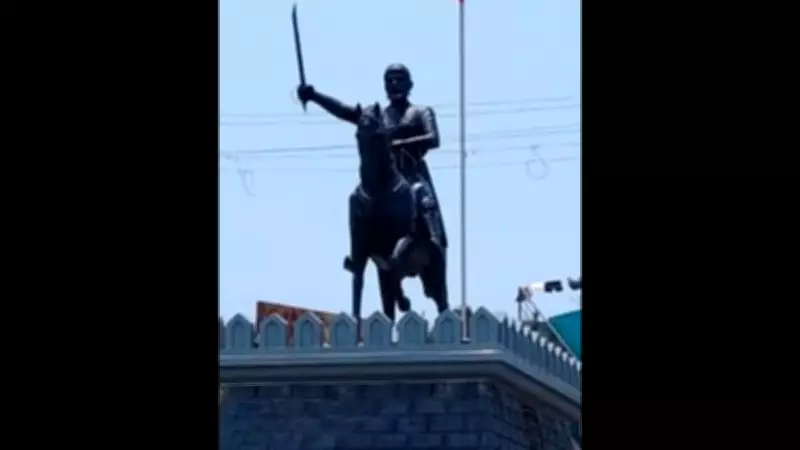
In a decisive move to prevent potential law and order disturbances, the Mormugao sub-divisional magistrate (SDM) Prataprao Gaunkar has invoked stringent prohibitory measures under Section 163 of the Bharatiya Nagarik Suraksha Sanhita (BNSS), 2023. This action, taken on Thursday, specifically targets the proposed dismantling of the statue of Chhatrapati Shivaji at Headland Sada, a site that has become a flashpoint for community tensions.
Key Provisions of the Prohibitory Order
The order, which will remain in effect for the next 30 days, imposes a comprehensive ban on assemblies and protests within a 50-meter radius of the statue site. Key restrictions include:
- Assembly Ban: The gathering of five or more persons is strictly prohibited to curb mass mobilization.
- Protest Prohibition: All forms of demonstrations, including processions, rallies, dharnas, and public agitations, are forbidden in the notified zone.
- Speech Restrictions: The SDM has barred the delivery of provocative speeches or any acts that could disturb public tranquillity, aiming to de-escalate tensions.
- Access Control: Entry to the area is restricted solely to government officials, Mormugao Port Authority (MPA) staff, and law enforcement personnel involved in the operation.
Background and Legal Directives
This administrative intervention follows a directive from the Bombay High Court, which instructed authorities to maintain peace and ensure the MPA can execute the court's directions regarding the property at Headland Sada junction. The high court's involvement underscores the legal complexities surrounding the statue's removal, with the administration acting to uphold judicial mandates while preventing unrest.

Intelligence Reports and Apprehension of Unrest
The decision to clamp down on protests was driven by what the order describes as a "strong apprehension" of potential violence. Intelligence reports from the sub-divisional police officer in Vasco indicated that a crowd of 1,000 to 1,500 people from various parts of Goa, led by certain individuals, was planning to converge at the site to oppose the dismantling. These reports highlighted the risk of large-scale protests escalating into clashes, prompting preemptive measures.
Implications for Public Order and Community Relations
The imposition of Section 163 prohibitory orders reflects the administration's proactive stance in managing sensitive issues that could disrupt public order. By restricting assemblies and protests, authorities aim to:
- Ensure the safe execution of the court's directives regarding the statue removal.
- Prevent any incidents of violence or property damage that could arise from heated demonstrations.
- Maintain a calm environment to facilitate dialogue and legal processes without external pressures.
This move also underscores the broader challenges in balancing cultural sentiments with legal obligations, particularly in regions with historical and emotional attachments to figures like Chhatrapati Shivaji.
Ongoing Monitoring and Enforcement
Law enforcement agencies have been tasked with strict enforcement of the prohibitory orders, with regular patrols and surveillance in the area to deter violations. The SDM's order emphasizes that any breach will be met with legal action, reinforcing the administration's commitment to maintaining peace during this critical period.
As the situation evolves, authorities will continue to monitor developments closely, with the prohibitory measures serving as a temporary buffer to prevent escalation while long-term resolutions are sought through legal and administrative channels.