

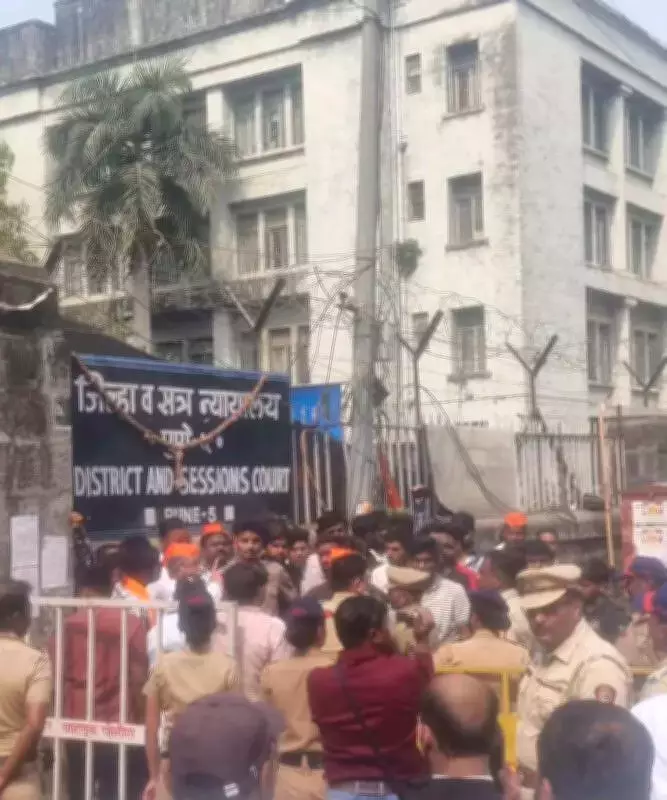
Pune Special Court Grants Bail in High-Profile Hydroponic Weed Seizure Case
A special court designated under the Narcotic Drugs and Psychotropic Substances (NDPS) Act in Pune has granted bail to Ravikumar Kurmi, a resident of Rajasthan, who was arrested at the city's airport with a significant quantity of hydroponic weed. The case has drawn attention due to the nature of the contraband and the legal arguments presented.
Details of the Arrest and Seizure
According to the prosecution, the incident unfolded when Ravikumar Kurmi arrived on a flight from Bangkok at Pune airport. Authorities seized 2,299.44 grams of hydroponic weed from his possession, leading to his immediate arrest. Hydroponic weed, known for its potent effects, is a controlled substance under Indian law.
Subsequently, a First Information Report (FIR) was registered on December 8, 2025, for offences punishable under Sections 8(c), 20(b)(ii)(b), and 29 of the NDPS Act. These sections pertain to the possession, sale, and abetment of narcotic substances, highlighting the seriousness of the charges.

Legal Arguments and Court Proceedings
The defence team, in their bail application, contended that the seized quantity of contraband was of an intermediate nature, not a commercial quantity. This distinction is crucial under the NDPS Act, as it affects the applicability of Section 37, which imposes stricter conditions for bail in cases involving commercial quantities.
Furthermore, the defence submitted that the investigation was complete, and the charge-sheet had already been filed before the special court. They argued that there was no risk of evidence tampering or flight, given the procedural milestones achieved.
In opposition, the prosecution vehemently opposed the bail plea, asserting that the accused might influence witnesses or repeat the offence if released. They emphasized the potential threats to public safety and the integrity of the judicial process.
Court's Observations and Bail Order
After hearing detailed arguments from both sides and thoroughly examining the case record, the court made several key observations. It noted that the seized contraband indeed fell under the intermediate quantity category, as per NDPS Act guidelines. The court also acknowledged that the investigation was complete, with nothing remaining to be seized from the accused.
Additionally, the court highlighted that Ravikumar Kurmi had no prior criminal antecedents, which weighed in his favor. Holding that continued detention was not necessary under the circumstances, the court allowed the bail application.
The bail was granted with specific conditions: Kurmi was directed to be released on a personal bond of Rs 25,000 with surety. The court imposed strict terms to ensure compliance and prevent any misuse of liberty, though the exact conditions were not detailed in the initial report.
Implications and Broader Context
This case underscores the nuanced application of the NDPS Act, where the quantity of seized drugs plays a pivotal role in bail considerations. The ruling may set a precedent for similar cases involving intermediate quantities, balancing legal rigor with individual rights.
The use of hydroponic weed, a sophisticated form of cannabis cultivation, adds a modern twist to drug trafficking narratives, reflecting evolving trends in narcotics trade. Authorities continue to monitor such developments closely to combat drug abuse and trafficking effectively.
As the legal proceedings move forward, this bail decision marks a significant step in the case, with potential implications for future NDPS Act interpretations and enforcement strategies in Pune and beyond.






