Pune Court Denies Anticipatory Bail in Metro Tunnel Damage Case
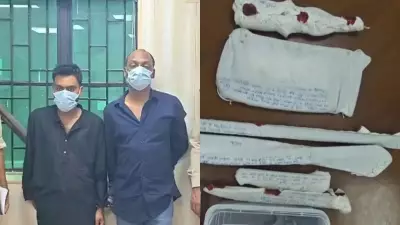
In a significant ruling, the court of additional sessions judge RR Mendhe has rejected the anticipatory bail plea of borewell contractor Popatrao Sopan Jagtap and landowner Dhananjay Pandharinath Mote in the Pune Metro tunnel damage case. The court observed a prima facie case against the accused, emphasizing that the alleged act involved critical public safety concerns and substantial damage to public infrastructure.
Details of the Case and Police Action
The Khadak police registered an FIR against the two accused on March 23 under sections 125, 324 (5), and 326 (B) of the BNS, along with Section 78 of the Metro Railways (Operation and Maintenance) Act, 2002. According to the prosecution, a 6-inch diameter hole was discovered in the ceiling of an underground Metro tunnel, allegedly caused during borewell-related work at a property in Shukrawar Peth. This incident resulted in water seepage into the tunnel, leading to accumulation on the Metro track, posing potential operational hazards.
Arguments Presented in Court
Opposing the pre-arrest bail plea, district government pleader Pramod Bombatkar argued that despite having knowledge of the underground Metro alignment, the accused allegedly proceeded with borewell work, causing structural damage to the tunnel and financial losses. The prosecution highlighted the negligence involved, which compromised public safety and infrastructure integrity.

In defense, the accused contended that no new borewell was drilled; instead, an existing borewell was merely made operational. They asserted that there was no intention or knowledge of causing damage, emphasized their lack of criminal antecedents, and pointed out that no clear Metro-related permissions or guidelines were communicated to them prior to the work.
Court's Decision and Implications
The court's rejection of the anticipatory bail plea underscores the seriousness of the allegations, particularly in matters affecting public infrastructure and safety. This case highlights the need for stricter adherence to regulations and guidelines when conducting construction or drilling activities near critical public facilities like metro systems. The ruling may set a precedent for future incidents involving damage to public infrastructure, reinforcing accountability and legal consequences for negligence.