

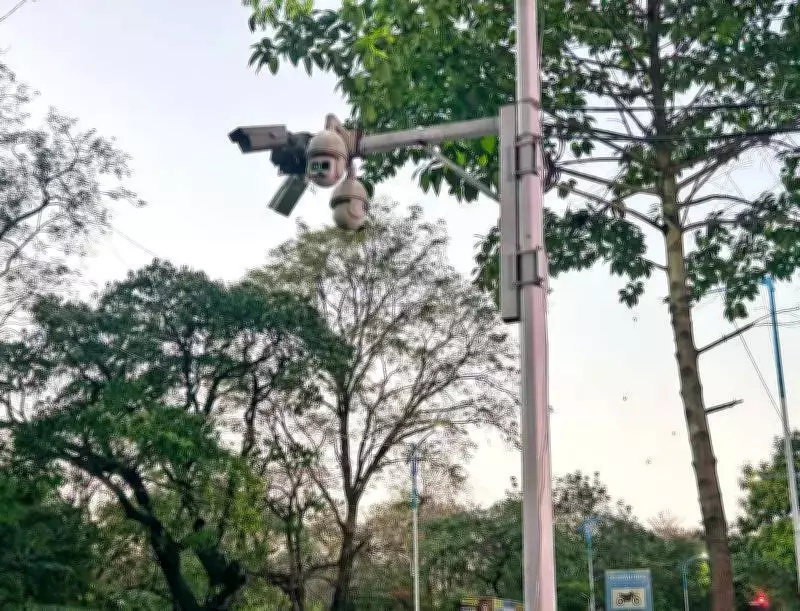
Pune Police Launch Major Initiative to Map Private CCTV Cameras Across the City
In a significant move to bolster law enforcement capabilities, the Pune city police have initiated a comprehensive project to geotag and identify privately owned CCTV cameras that are focused on public locations. This strategic effort is designed to aid investigations into a wide range of criminal activities, including burglaries, sexual assaults, and hit-and-run cases.
Commissioner's Directive Drives the Surveillance Enhancement Project
Pune Commissioner of Police Amitesh Kumar issued orders in late January this year to systematically identify all privately owned CCTV cameras aimed at public roads and spaces. These cameras are installed by various entities such as shops, malls, commercial establishments, and residential complexes. It is important to note that internally placed cameras within private premises are not included in this initiative, ensuring a focus solely on public surveillance.
Rapid Progress with Over 2,000 Cameras Already Geotagged
A dedicated team from the Commissioner's office, working in collaboration with representatives from local police stations, is actively studying CCTV cameras directed at city roads and meticulously recording their locations. Within just a few weeks, the police have successfully geotagged more than 2,000 privately owned CCTV cameras. Key areas being covered under this exercise include:

- Deccan
- Camp
- Sahakarnagar
- Shivajinagar
- Aundh-Baner
- Kharadi
Assistant Commissioner of Police (Communication and IT) Vivek Pawar explained the rationale behind this project in a statement to TOI on Sunday. "We are geotagging CCTV cameras that focus on public roads to significantly enhance our surveillance capabilities. This will allow us to monitor crimes occurring in these public locations, as well as traffic violations, which notably include hit-and-run cases," he said.
Comprehensive Data Collection to Streamline Investigations
Beyond simply listing camera locations, the police are also documenting critical details such as the backup time of each camera's digital video recorder (DVR). This is crucial because some systems retain data for a month, while others can store footage for up to three months. Additional information being recorded includes:
- Contact details of the individuals in possession of the cameras
- Technical specifications of the cameras, including their make and model
- Operational capabilities, such as whether they function during night hours or only in daytime
ACP Pawar emphasized the operational benefits of this initiative. "Information about these geotagged cameras will be shared with all police stations. Currently, when a crime occurs, police must search for CCTV cameras in the area and then contact their respective owners to obtain footage. This listing exercise will drastically reduce the time taken during investigations, enabling police to quickly contact operators of privately owned CCTV cameras to secure footage urgently," he stated.
Accelerating Suspect Identification and Crime Resolution
This enhanced access to surveillance footage is expected to help police identify suspects involved in crimes more speedily and track their movements effectively. The initiative covers a broad spectrum of offenses, including crimes against women, vehicle thefts, and other criminal activities. Additionally, it will facilitate the tracing of vehicles involved in hit-and-run cases, improving road safety enforcement.
A preliminary list of cameras and their owners or operators has already been distributed to several local police stations, with plans to expand this database continuously. The police teams aim to add a total of over 3,000 cameras to this list under the current project phase, with provisions to geotag more CCTVs in the system as needed in the future.

Integrating with Existing Public Surveillance Infrastructure
Presently, the state home department has established a network of approximately 2,000 CCTV cameras across Pune to support police operations. This is complemented by around 3,000 cameras from Pune Metro and at least 450 cameras installed under the Smart City Mission. The new initiative to incorporate private cameras into the surveillance framework will significantly enhance police vigilance and coverage across the city.
Legal Expert Applauds Initiative with a Note of Caution
Commenting on this latest police initiative, advocate Gaurav Jachak shared his perspective with TOI. "It is a commendable idea that could greatly assist law enforcement. However, the police must ensure that these geotagged cameras are functioning properly at all times. Regular checks with camera owners regarding their operational status are essential. If these cameras are maintained and operational consistently, they will generate substantial evidence in criminal cases and could also serve as a deterrent against offenses such as molestation and petty thefts," he advised.
This proactive approach by Pune police represents a forward-thinking strategy to leverage technology for public safety, potentially setting a benchmark for other cities to follow in enhancing urban security through integrated surveillance systems.





