

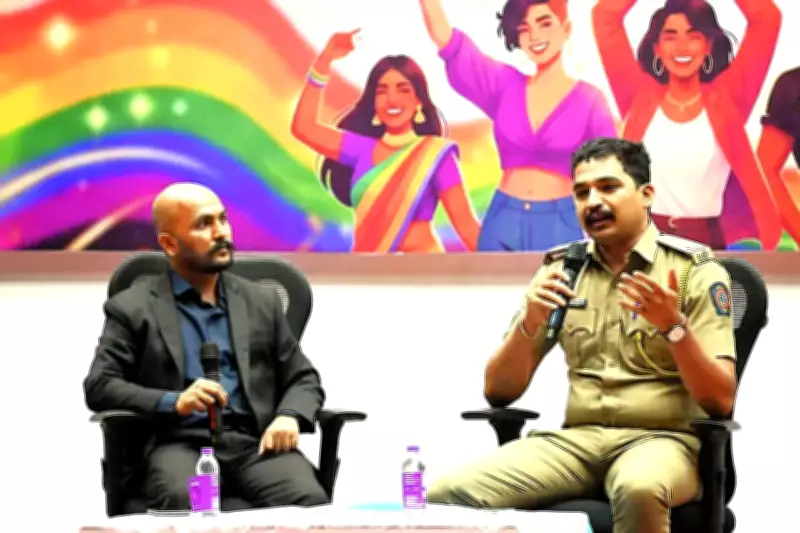
The Pune police and city-based LGBTQIA+ groups are striving to mend a long-standing trust gap as members of the queer community continue to face targeted crimes, particularly through dating apps, with most victims hesitant to approach law enforcement.
Outreach Session by Police and NGO
On June 6, police and NGO Yutak organized an outreach session at the Centre for Police Research auditorium. Warje police sub-inspector Shankar Patil urged LGBTQIA+ community members to report crimes, emphasizing prevention over cure and advising against sharing intimate content or personal details online. Patil noted that investigations involving online platforms are often challenging due to difficulties in authenticating chats and obtaining data from apps citing privacy policies.
Recent Crimes Against the Community
The outreach follows several crimes targeting community members in Pune. Last month, Warje Malwadi police arrested three men and detained a minor for allegedly robbing a gay man after contacting him through a dating app. In another case last year, a man was lured through Grindr to Bund Garden, where he was beaten, held captive, forced to reveal his ATM PIN, and his bank account was emptied. Additionally, a 21-year-old BCS student from Pimpri died by suicide after being targeted by an extortion racket operating through Grindr.

Fear of Reporting
City-based trans activist Manasvi Goilkar highlighted that many do not report incidents due to fear of ridicule, inaction, and being outed to their families. She recounted an incident where a trans woman, assaulted during a date, was mocked at the police station when seeking help, questioned about her provocative clothing, and not given the seriousness afforded to other citizens.
Crisis Line Support
Shyam Konnur, founder of MIST LGBTQIA+ Foundation, runs a crisis line to help survivors navigate police procedures and collaborates with local authorities and hospitals. He receives nearly six cases a month, noting that most callers do not trust him with their real names and refuse to go to the police even after hours of counseling. Konnur described common scenarios where panic calls come from individuals who believed they were meeting someone for a date, only to be intimidated into paying large sums or subjected to violence and extortion.
Microaggressions in Dating Apps
The LGBTQIA+ dating landscape is rife with persistent microaggressions. Divya S, a 26-year-old professional from Mumbai who identifies as a lesbian, stated that face verification on dating apps is ineffective, as she has matched with many verified profiles of men pretending to be women.
Mental Health Impact
Mental health experts note that dating-based trauma in queer communities is unfortunately common. Dr. Avni Joshi, a queer-affirmative clinical psychologist, explained that constant hyper-vigilance, self-censorship, and fear of being outed lead to anxiety, isolation, and PTSD-like symptoms, making even consensual dating feel like a high-stakes risk.
Personal Experiences
Palak, a 24-year-old tech professional who identifies as bisexual, shared that dating women often leads to meaningful connections, but interactions with men are marked by ignorance and prejudice, making her cautious about dating apps. Zainab, a city-based trans woman and tattoo artist, recounted being thrown out of an auto rickshaw with her partner for sitting too close. She now sticks to more cosmopolitan areas like Koregaon Park and avoids parts of the old city that feel threatening.
Building Trust
Sub-inspector Patil acknowledged the concerns and stated that building trust will take time. He suggested creating a forum for regular dialogue between police representatives and members of the LGBTQIA+ community.






