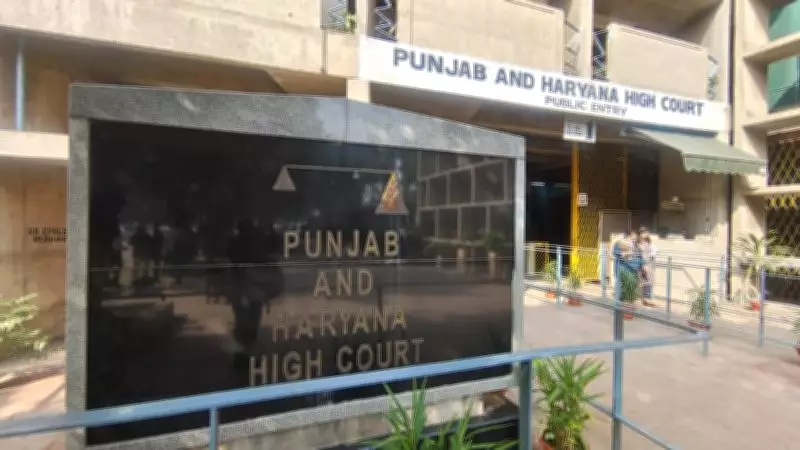
The Punjab and Haryana High Court has taken a significant step to simplify the bail process for undertrials by reducing the reliance on sureties. This move aims to address the challenges faced by accused individuals who often struggle to arrange sureties, leading to prolonged detention even after bail is granted.
Key Changes in Bail Conditions
The court has issued guidelines to ensure that bail conditions are not overly burdensome. Instead of insisting on sureties, judges can now consider alternatives such as personal bonds or other non-monetary conditions. This reform is expected to expedite the release of undertrials and reduce overcrowding in jails.
Impact on Undertrials
Many undertrials, particularly those from economically weaker backgrounds, find it difficult to secure sureties. The new approach by the High Court is seen as a progressive step to uphold the principle that bail is the rule and jail is the exception. It also aligns with the Supreme Court's directives to avoid unnecessary incarceration.

Judicial Observations
The bench observed that the current system often leads to discrimination against the poor, who cannot afford sureties. By easing these requirements, the court aims to ensure that bail decisions are based on the merits of the case rather than the financial status of the accused.
Implementation and Future Implications
The guidelines are expected to be implemented across all subordinate courts in Punjab and Haryana. Legal experts believe this will set a precedent for other states to follow, potentially leading to nationwide reforms in bail procedures. The move has been welcomed by human rights organizations and legal aid groups.
Reactions from Legal Fraternity
Advocates and judges have praised the decision, noting that it balances the rights of the accused with the interests of justice. The High Court has also emphasized the need for speedy trials to complement these bail reforms.
In conclusion, the Punjab and Haryana High Court's decision marks a pivotal shift towards a more equitable justice system, ensuring that bail is not a privilege reserved for the affluent but a right accessible to all.