Oath-Taking Ceremony at Punjab and Haryana High Court
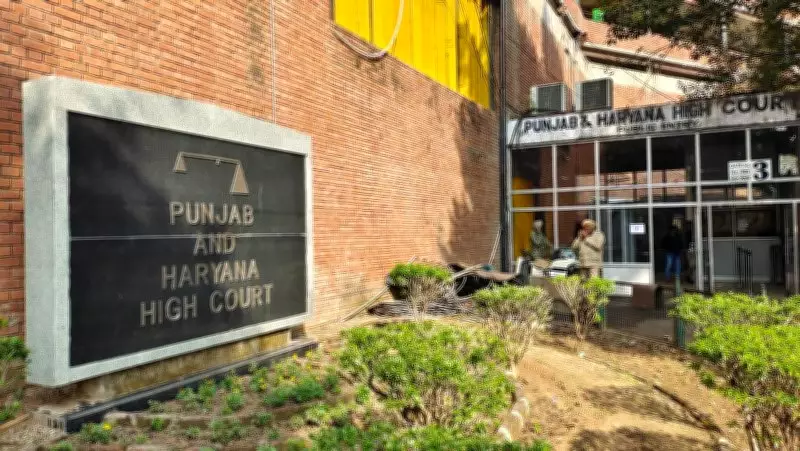
Acting Chief Justice of the Punjab and Haryana High Court, Justice Ashwani Kumar Mishra, administered the oath of office to two additional judges—Justice Harmeet Singh Grewal and Justice Deepinder Singh Nalwa—as permanent judges of the High Court on July 6, 2026. The ceremony took place at the High Court premises in Chandigarh.
Background of the Appointments
The Supreme Court collegium had approved the proposal for confirming the two judges last month. Following this, the central government issued formal warrants of appointment, paving the way for the swearing-in. These confirmations come at a critical time for the Punjab and Haryana High Court, which is one of the busiest constitutional courts in India, exercising jurisdiction over Punjab, Haryana, and the Union Territory of Chandigarh.
Severe Shortage of Judges
The High Court has a sanctioned strength of 85 judges, but currently, only 55 judges are in position. This means nearly one-third of the sanctioned posts are vacant, leading to an acute shortage of judicial manpower. The court is also awaiting the appointment of 10 advocates whose names have been cleared by the Supreme Court collegium for elevation to the Bench. Their appointment notifications from the Centre are expected shortly.

Pendency of Cases
Official figures indicate that a total of 4,23,000 cases are pending adjudication before the High Court. The mounting pendency underscores the urgent need to strengthen the Bench. Even with the anticipated appointments, judicial vacancies are likely to remain a concern, as three judges of the High Court are scheduled to retire during the current year.
Impact of the New Appointments
The confirmation of Justices Grewal and Nalwa as permanent judges, coupled with the expected appointment of 10 new judges, is being viewed as an important step towards addressing the manpower deficit and reducing the burden of pendency. However, a sizeable gap between the sanctioned and working strength is likely to persist for the foreseeable future. The High Court continues to grapple with the challenge of ensuring timely justice for litigants across Punjab, Haryana, and Chandigarh.