Punjab and Haryana High Court Raises Alarm Over Mounting Case Backlog
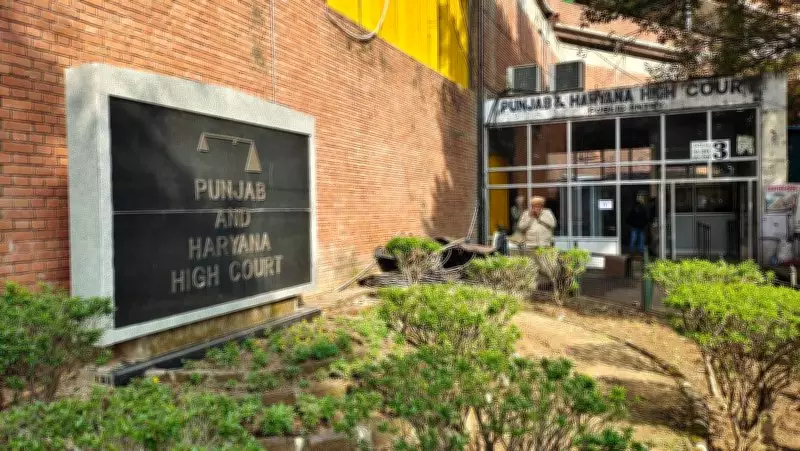
The Punjab and Haryana High Court, based in Chandigarh, has issued a stark warning regarding the escalating backlog of cases within its jurisdiction. In a recent observation, the court emphasized that delays in the judicial process must not be allowed to transform into a punitive measure for those seeking justice. This statement underscores a critical concern in the legal system, where prolonged litigation can effectively penalize litigants through extended waiting periods and associated costs.
Judicial Delay as a Form of Punishment
The court explicitly noted that when cases drag on for years without resolution, the delay itself can become a form of punishment. This is particularly detrimental to individuals and entities who rely on timely judicial outcomes for relief or resolution of disputes. The backlog not only hampers access to justice but also erodes public confidence in the legal framework. By highlighting this issue, the High Court aims to draw attention to the urgent need for procedural efficiencies and resource allocation to address the root causes of these delays.
Systemic Challenges and Proposed Reforms
Factors contributing to the case backlog include insufficient judicial manpower, complex legal procedures, and an increasing volume of litigation. The High Court's remarks suggest a call for systemic reforms, such as leveraging technology for case management, increasing the number of judges, and streamlining legal processes. These measures could help reduce pendency and ensure that justice is delivered in a timely manner, aligning with constitutional guarantees of a fair and speedy trial.

The consequences of this backlog are far-reaching, affecting not only individual litigants but also the broader legal ecosystem. Delays can lead to financial strain, emotional distress, and a sense of injustice among those awaiting court decisions. Moreover, they can impede economic activities and social stability, as unresolved legal disputes often have wider implications. The High Court's stance serves as a reminder that judicial efficiency is paramount to upholding the rule of law and protecting citizens' rights.
Looking Ahead: Steps Toward ImprovementIn response to this crisis, stakeholders in the legal community, including bar associations and government bodies, may need to collaborate on initiatives to tackle the backlog. Potential solutions include promoting alternative dispute resolution mechanisms, enhancing digital infrastructure for courts, and conducting regular reviews of pending cases. By addressing these challenges proactively, the Punjab and Haryana High Court hopes to foster a more responsive and effective judicial system that minimizes delays and upholds the principle that justice delayed is justice denied.