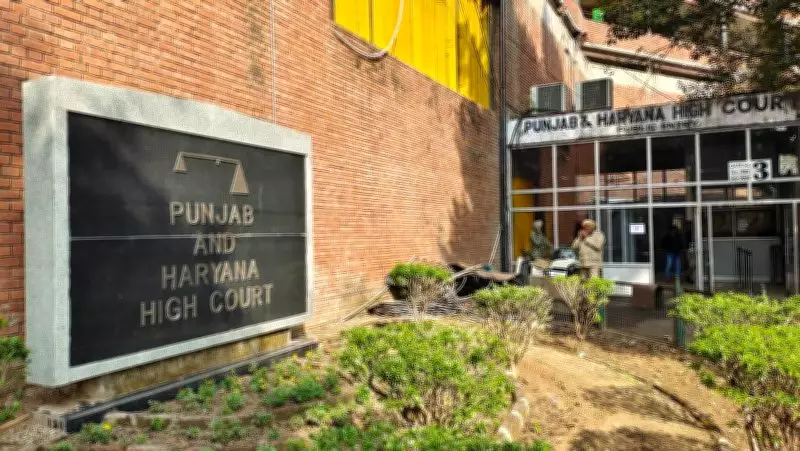
Punjab High Court Mandates Liberal Health Reimbursement Policies After 19-Year Delay Case
The Punjab and Haryana High Court has issued a significant directive to the Punjab government, urging it to adopt more liberal and compassionate health reimbursement policies. This judicial intervention comes in response to a distressing case where a medical reimbursement claim remained unresolved for a staggering 19 years, exposing deep-seated flaws in the state's healthcare administrative framework.
Background of the Case and Judicial Observations
The case centered on a prolonged delay in processing a medical reimbursement claim, which had been pending since the early 2000s. During the proceedings, the High Court bench expressed grave concern over the systemic inefficiencies and bureaucratic hurdles that led to such an extensive wait. The judges emphasized that such delays not only violate the rights of citizens but also undermine public trust in government health schemes.
In its ruling, the court highlighted that health policies should be designed with a human-centric approach, prioritizing timely support for individuals in need. The bench pointed out that rigid and outdated regulations often exacerbate the suffering of patients and their families, calling for an overhaul to ensure smoother and faster claim settlements.
Key Directives and Implications for Punjab's Health System
The High Court's directives include several crucial measures aimed at reforming Punjab's health reimbursement processes:
- Policy Liberalization: The state government is instructed to review and revise existing health reimbursement policies to make them more inclusive and less restrictive.
- Expedited Processing: Implementation of mechanisms to accelerate the verification and approval of medical claims, reducing bureaucratic delays.
- Transparency and Accountability: Establishment of clear timelines and accountability frameworks for officials handling reimbursement cases.
- Grievance Redressal: Setting up efficient channels for citizens to report delays and seek timely resolutions.
This ruling is expected to have far-reaching implications, potentially benefiting thousands of residents who rely on state health schemes. By mandating a shift towards more liberal and empathetic policies, the court aims to prevent future instances of such prolonged neglect and ensure that healthcare support is accessible when it is most needed.
Broader Context and Public Response
The 19-year delay case has sparked widespread discussion about the efficiency of Punjab's public health administration. Advocacy groups and healthcare experts have welcomed the High Court's intervention, noting that similar issues of delayed reimbursements are not uncommon across various states in India. They argue that this judgment could serve as a precedent for other regions to reform their health policies, promoting a more responsive and citizen-friendly governance model.
In response, the Punjab government has acknowledged the court's directives and indicated steps towards policy review. Officials stated that they are committed to aligning their health reimbursement frameworks with the court's recommendations to enhance service delivery and uphold the welfare of citizens.
As Punjab moves forward with these changes, the focus will be on ensuring that the revised policies are effectively implemented, monitoring progress to avoid future delays, and fostering a healthcare system that truly supports its people in times of medical need.