Understanding Punjab's New Anti-Sacrilege Legal Framework
In a significant move to address religious sensitivities and maintain social order, the state of Punjab has recently introduced a new anti-sacrilege legal framework. This development comes as part of ongoing efforts to strengthen law enforcement mechanisms and prevent incidents that could potentially disrupt communal harmony. The framework is designed to provide a more robust and structured approach to handling cases involving the desecration of religious symbols, texts, or places of worship.
Key Components of the Anti-Sacrilege Framework
The new framework encompasses several critical elements aimed at enhancing legal provisions and enforcement strategies. It includes specific definitions of what constitutes sacrilege under Punjab law, drawing from existing penal codes while introducing state-specific amendments. These definitions are intended to cover a wide range of offenses, from physical damage to religious sites to acts of disrespect towards sacred objects. By clarifying these terms, the framework seeks to reduce ambiguity in legal proceedings and ensure consistent application across different cases.
Moreover, the framework outlines procedural guidelines for law enforcement agencies, emphasizing swift and sensitive handling of such incidents. This involves specialized training for police personnel to deal with sacrilege cases effectively, including protocols for evidence collection and victim support. The goal is to improve response times and investigative accuracy, thereby increasing the likelihood of successful prosecutions. Additionally, the framework encourages community engagement, with provisions for dialogue between religious leaders and authorities to foster mutual understanding and cooperation.

Historical Context and Social Implications
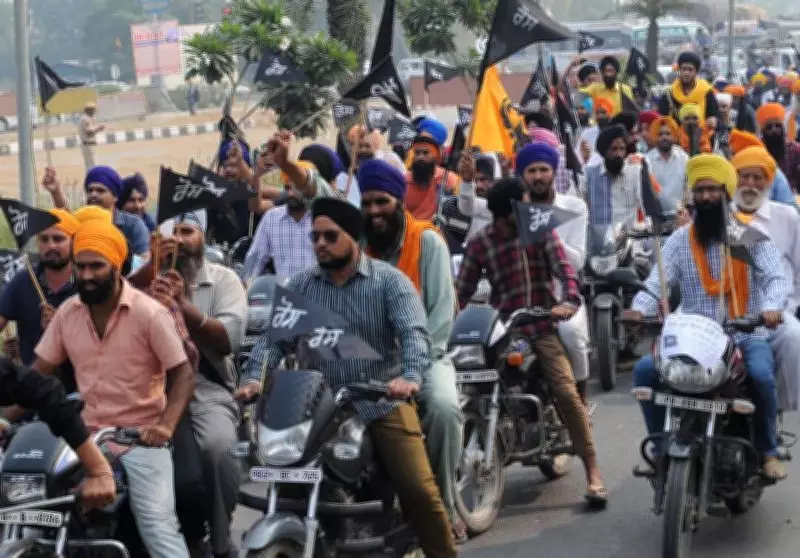
The introduction of this framework is rooted in Punjab's complex socio-political landscape, where religious sentiments often play a pivotal role in public life. Past incidents of sacrilege have occasionally led to widespread protests and communal unrest, highlighting the need for a more proactive legal approach. By addressing these concerns through legislation, the state aims to preemptively mitigate risks and promote a climate of respect and tolerance. This move is seen as a step towards reinforcing Punjab's commitment to secular values while acknowledging the deep-rooted religious diversity of its population.
From a social perspective, the framework is expected to have far-reaching implications. It may help in building public trust in the legal system, as communities perceive a more dedicated effort to protect their religious freedoms. However, it also raises questions about potential misuse or overreach, with critics cautioning against laws that could infringe on individual rights or be applied selectively. The state government has emphasized that the framework includes safeguards against abuse, such as judicial oversight and accountability measures for enforcement agencies.
Legal and Political Dimensions
Legally, the anti-sacrilege framework aligns with broader national and constitutional principles, while tailoring provisions to Punjab's unique context. It references existing laws like the Indian Penal Code, but adds state-specific clauses to address local nuances. This hybrid approach allows for a more targeted response to sacrilege incidents, potentially leading to harsher penalties or specialized courts for such cases. Politically, the framework has garnered support from various stakeholders, including religious groups and civil society organizations, who view it as a necessary tool for maintaining peace.
Nevertheless, the implementation of this framework will require careful monitoring to ensure it achieves its intended goals without unintended consequences. Challenges may include resource allocation for training and enforcement, as well as balancing religious sensitivities with fundamental rights. As Punjab moves forward with this initiative, it sets a precedent for other states grappling with similar issues, offering a model that could be adapted or critiqued based on outcomes.

Conclusion: A Step Towards Enhanced Social Cohesion
In summary, Punjab's new anti-sacrilege framework represents a comprehensive effort to address religious offenses through legal and social means. By defining offenses clearly, improving enforcement procedures, and engaging communities, it aims to prevent incidents that could threaten communal harmony. While challenges remain in its execution, this initiative underscores the state's proactive stance on safeguarding religious sentiments and promoting a cohesive society. As developments unfold, the framework's impact on Punjab's social fabric and legal landscape will be closely watched by observers across India.