

Punjab's War on Drugs Campaign Achieves Major Milestones in First Year
In a significant crackdown on narcotics, the Punjab Police has reported substantial achievements from its 'Yudh Nasheyan Virudh' (War Against Drugs) campaign, which was launched on March 1 last year. Over the past year, the state has maintained a rigorous enforcement pace, averaging 141 arrests and nearly 100 cases daily, underscoring a zero-tolerance policy against drug trafficking.
Key Statistics and Enforcement Results
Punjab Chief Minister Bhagwant Mann announced on social media platform X that the campaign has resulted in the arrest of 51,648 drug smugglers and the registration of 36,178 First Information Reports (FIRs). In a statement, CM Mann emphasized, 'The results of our zero-tolerance policy are for everyone to see, and our fight to save Punjab's youth will continue.' This declaration highlights the government's commitment to eradicating drug abuse in the state.
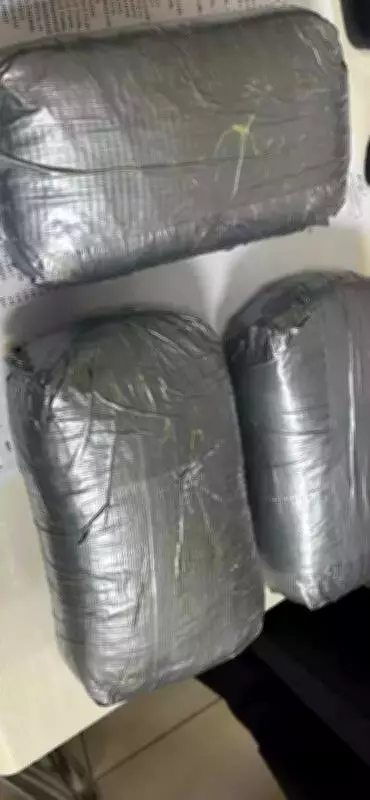
Law enforcement agencies have made record seizures during this period, including 2,277 kg of heroin and drug money amounting to 16.7 crore rupees. Other major confiscations include 36 kg of ICE, 4 kg of cocaine, 686 kg of opium, 29.3 tonnes of poppy husk, and 49 lakh psychotropic tablets. These efforts have disrupted supply chains, with an official from the Anti-Narcotics Task Force (ANTF) noting a 50% rise in heroin prices and a 40% rise in synthetic drug prices, indicating significant market impact.

Community Involvement and Legal Strengthening
Community participation has been a cornerstone of the drive, with the 'Safe Punjab WhatsApp Chatbot' receiving 34,588 tips. These leads resulted in 13,893 FIRs and 18,009 arrests, demonstrating public engagement in the fight against drugs. Alongside enforcement, the state conducted 55,666 awareness programmes to educate citizens about the dangers of substance abuse.
The legal framework has been bolstered, achieving an 89% conviction rate in NDPS Act cases. Out of 6,822 decided cases, 6,083 led to convictions, attributed to improved forensics, financial tracking, and enhanced investigator training. Additionally, authorities arrested 65 hawala operators and identified properties worth 241 crore rupees belonging to 569 smugglers, with assets worth 233 crore rupees from 544 smugglers already frozen.
Rehabilitation Efforts and Prison Overcrowding
On the rehabilitation front, the campaign has focused on treatment and recovery. Under Section 64-A of the NDPS Act, 8,324 individuals were diverted to treatment, while 29,540 were admitted to de-addiction centres and 82,854 were referred to Outpatient Opioid Assisted Treatment (OOAT) centres. These measures aim to provide support for those affected by addiction.
However, the crackdown has led to prison overcrowding. Punjab jails have a sanctioned capacity of 26,081, but the inmate population peaked at 38,000 during the drive and currently stands at 35,000. A prisons department official described this as a 'floating' population, with many in small-quantity cases securing bail within one to three months. To address this, new jail buildings are under construction to increase capacity by more than 5,000 in the near future.
The comprehensive approach of the 'Yudh Nasheyan Virudh' campaign, combining enforcement, community engagement, legal action, and rehabilitation, marks a pivotal step in Punjab's ongoing battle against drug abuse, with plans to sustain and expand these efforts in the coming years.






