Qatar Signals Potential Eviction of US Forces from Strategic Al Udeid Base
Qatar has sent a clear signal that it might evict American military forces from the Al Udeid Air Base. This base is the largest US military facility in the entire Middle East. The move comes as a significant development in regional geopolitics. It reflects growing strains in the US-Qatar relationship. The base has been a critical hub for US operations in the region for many years.
Global Tensions Escalate Across Multiple Fronts
This potential eviction is not an isolated incident. It occurs against a backdrop of rising global tensions. In the United States, communal tensions have exploded. Minneapolis witnessed eruptions during anti-ICE protests. Slogans like 'Muslims Exit America' have surfaced, highlighting deep societal divides.
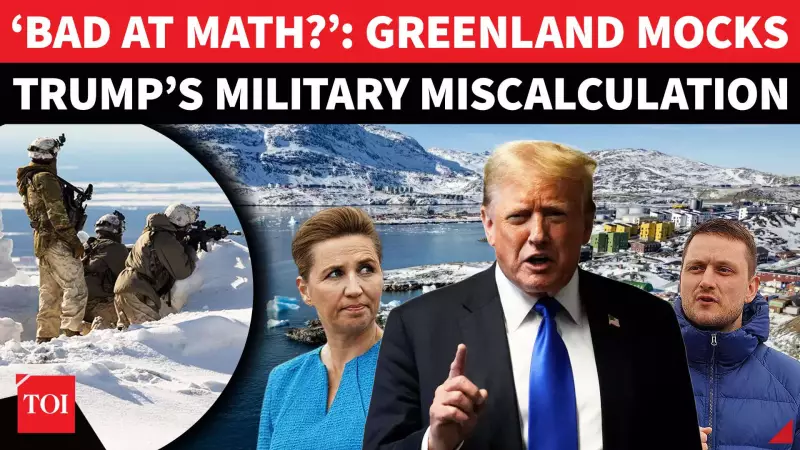
Meanwhile, Europe is facing its own set of challenges. Denmark's military has issued a stern warning to former President Donald Trump. They vowed to defend their integrity, particularly concerning Greenland. The Danish response came after Trump reportedly issued a huge ultimatum. He demanded Greenland be handed over to the US by June 1, or else face consequences.

European Leaders Unite in Response to Threats
European leaders are not taking these threats lightly. French President Emmanuel Macron, UK Prime Minister Keir Starmer, and European Commission President Ursula von der Leyen have issued an open threat to Trump. This follows his tariffs over Greenland. They stated clearly that Europe will respond to such provocations.
In Greenland itself, the situation has turned volatile. Protesters stormed the US Embassy, chanting 'Hands Off!' This explosive reaction came directly after Trump's vow to take over Greenland by June 1. The island is now on red alert, with the Danish military prepared to fight back if necessary.
Russia's Bold Moves and Regional Unrest
Russia is also making bold strategic moves. President Vladimir Putin delivered a diplomatic shock to Poland with actions in a NATO nation. This has heightened fears of further conflict in Eastern Europe. Hungary's Prime Minister slammed European leaders for poking Russia over the Ukraine battle. He warned that war is at the doorstep, criticizing the approach of other EU nations.
The unrest is spreading beyond traditional conflict zones. Violent clashes have rocked the UK capital, London. Police were attacked, and injuries were inflicted as Iran's internal unrest spilled over into the streets of London. This demonstrates how localized conflicts can have international repercussions.
Shift in Control at Strategic Middle Eastern Bases
Back in the Middle East, another significant shift is occurring. US personnel have exited the Ain Al-Asad base in Iraq. Arab forces are now in full control of this strategic facility. This marks a notable change in the security architecture of the region. It complements Qatar's signals about Al Udeid, suggesting a broader reevaluation of US military presence.
These events collectively paint a picture of a world in flux. From the halls of power in Europe to the streets of Minneapolis and London, tensions are boiling over. Military posturing, diplomatic shocks, and public protests are defining the current global landscape. The potential eviction from Al Udeid is just one piece of this complex puzzle.