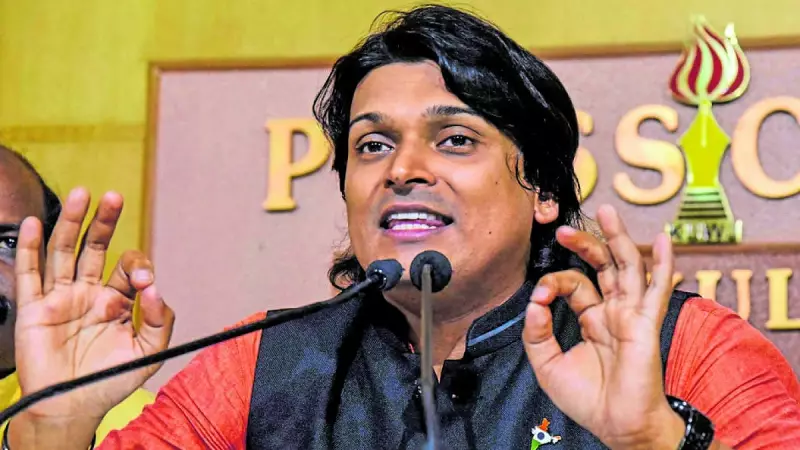
A Kerala court has delivered a significant verdict, denying bail to prominent activist and writer Rahul Easwar. The court has ordered him to be remanded to judicial custody in a case involving allegations of issuing threats against a sitting Member of the Legislative Assembly (MLA).
Details of the Allegations and Arrest
The case stems from a complaint filed by Congress MLA Mathew Kuzhalnadan, who represents the Muvattupuzha constituency. The MLA accused Rahul Easwar of making threatening statements against him. Following the complaint, the police registered a case and subsequently arrested Easwar on a specific date. He was presented before the Judicial First Class Magistrate Court in Muvattupuzha, where the prosecution strongly opposed his plea for bail.
The prosecution argued that granting bail could potentially influence the ongoing investigation. They emphasized the serious nature of the charges, which involve an alleged threat to a public representative. After considering the arguments from both sides, the magistrate ruled in favor of the prosecution. The court denied bail to the activist and ordered that he be sent to judicial custody for a period of 14 days.

Legal Proceedings and Defense Arguments
Rahul Easwar's legal team contended that the allegations were baseless and politically motivated. They argued for his release on bail, stating that he was a well-known figure with deep roots in the community and was not a flight risk. However, the court found the prosecution's concerns regarding the investigation's integrity to be valid.
This legal development has sent shockwaves through political and social circles in Kerala. Rahul Easwar is a recognizable public figure, known for his commentary on socio-political issues and his association with the Sabarimala temple traditions. The case has sparked a debate on the limits of free speech and the legal repercussions of statements perceived as threats against elected officials.
Reactions and Broader Implications
The decision to remand Easwar to judicial custody is seen as a stern message from the judiciary regarding the safety and security of public servants. It underscores the legal system's approach to cases involving alleged intimidation of lawmakers. The police are expected to continue their investigation into the matter during the custody period.
As the news spreads, supporters of Rahul Easwar have expressed disappointment, while others have reiterated the importance of upholding the law irrespective of an individual's public profile. The case is likely to see further legal battles as Easwar's counsel prepares to challenge the bail denial in a higher court. The next fortnight will be crucial for the investigation and for determining the future course of this high-profile legal encounter.