Ranchi Civil Court to Implement Enhanced Security Measures with Boom Barriers and Entry Passes
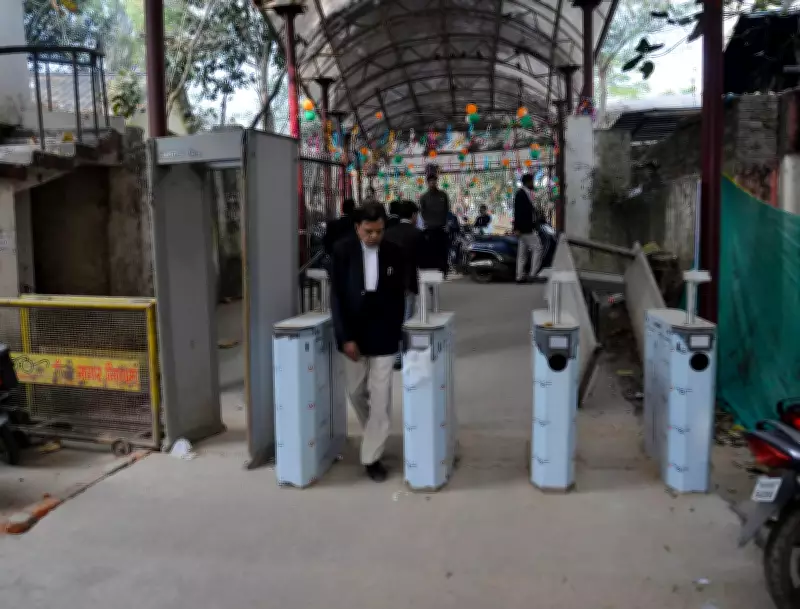
In a significant move to bolster security and streamline operations, the Ranchi civil court is set to regulate the entry of visitors and vehicles on its premises. Officials have confirmed that work is currently underway to install boom barriers and flap barriers at all gates, marking a proactive step toward creating a safer and more organized environment.
Compliance with High Court Directives
These security enhancements are being implemented in response to recommendations and directives issued by the security committee of the Jharkhand High Court. Once fully operational, the new measures aim to restrict the entry of anti-social and unauthorized individuals onto the court campus. Additionally, they are expected to alleviate persistent parking problems by limiting access to unwanted vehicles, thereby improving overall efficiency and safety.
Details of the Security Upgrades
According to sources, boom barriers will be strategically placed at the main entrance gate and near the 40-court building. To facilitate smooth access for legal professionals, the court has introduced a Google Form for advocates to submit their vehicle registration numbers. This initiative will enable the issuance of entry passes, ensuring that authorized personnel can enter without unnecessary delays.
Notably, visitors have previously reported incidents such as stolen helmets from bikes parked on the campus, despite the presence of CCTV surveillance. The new security measures are designed to address such concerns by tightening control over who enters the premises.
Regulating Foot Traffic with Flap Barriers
In addition to vehicle regulation, flap barriers will be installed at key entrances, including the gate near the bar building and two other access points for pedestrians. Visitors, including witnesses, petitioners, and others, will be required to obtain passes before entering. They must present court-issued notices, summons, or recommendations signed by their advocates to gain admission, ensuring that only those with legitimate business are allowed on site.
With approximately 5,500 advocates associated with the civil court, of which 3,000 are regular practitioners, the influx of vehicles, particularly four-wheelers during rainy seasons, has been a longstanding issue. The new system aims to manage this traffic more effectively while maintaining security protocols.
District Administration's Role
When contacted, District Collector Manjunath Bhajantri clarified that the project is not being implemented by the district administration. However, he emphasized that the administration regularly reviews the security environment of the civil court and takes initiatives to enhance it using available resources, underscoring a collaborative approach to public safety.
This comprehensive security overhaul reflects a broader commitment to safeguarding judicial premises and ensuring a secure atmosphere for all stakeholders involved in the legal process.