Sabarimala Ghee Sale Scandal: High Court Imposes 45-Day Deadline for Vigilance Probe
In a significant development, the vigilance team investigating the alleged misappropriation of proceeds from the sale of 'aadiya sishtam ghee' at Sabarimala Temple has informed the Kerala High Court that 33 individuals have been arrayed as accused in the crime. The accused include three temple special officers and thirty counter staff members involved in the sale operations.
Quantified Misappropriation and Investigation Timeline
The vigilance team reported that the misappropriation quantified so far amounts to Rs 21.39 lakh. During the hearing, the team sought an extension of three months to complete the investigation and determine the precise extent of the alleged financial irregularities and conspiracy.
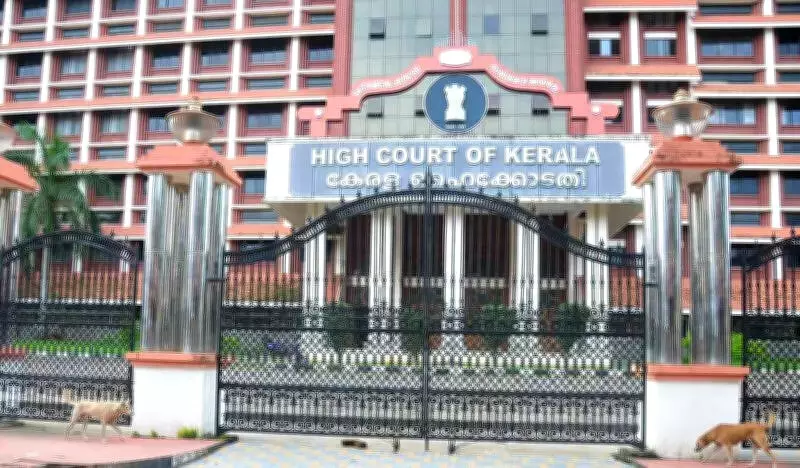
However, the bench of Justices V Raja Vijayaraghavan and K V Jayakumar directed the team to conclude the investigation within a strict deadline of 45 days. The court was considering a suo motu case initiated based on a report submitted by the Sabarimala special commissioner regarding the alleged misappropriation of money at the ghee sale counters.
Systemic Shortcomings and Record-Keeping Failures
During Wednesday's hearing, the High Court flagged several critical shortcomings regarding the sale of sacred offerings at Sabarimala. The court noted the absence of formal proceedings or authentic records detailing staff deployment at each counter, highlighting significant administrative lapses.
From the report submitted by the vigilance team, the High Court observed that the temple special officer issues ghee packets to counters after recording the quantities in what is colloquially referred to as a 'kutti book' – essentially a school-series notebook. Separate notebooks are maintained for each counter and kept in the temple office.
These notebooks record the number of packets issued along with the signatures of the receiving counter staff. However, the High Court noted with concern that these notebooks contained multiple corrections, overwriting, and interlineations, raising serious questions about the integrity of the record-keeping process.
Court's Directives to Travancore Devaswom Board
The High Court observed that the Travancore Devaswom Board (TDB) and its officials are expected to exercise far greater oversight in matters that generate several lakhs of rupees daily through temple income. The court emphasized the need for robust financial controls and transparency.
The bench directed that TDB shall ensure that all income generated through the sale of prasadam items – including but not limited to appams, aadiya sishtam ghee, aravana, vibhoothi, and kumkum – is brought under a fully accountable and transparent financial and administrative framework.
The High Court further directed TDB to implement a proper system for accounting, reconciliation, and remittance of sale proceeds. The court specified that if necessary, TDB should seek professional and technical assistance without delay to establish this system.
Action Plan and Compliance Schedule
In a comprehensive directive, the High Court ordered TDB to place on record a detailed action plan indicating the manner in which these directions are proposed to be implemented. The court mandated that this plan include a clear and time-bound schedule for compliance, ensuring systematic reform of the temple's financial management practices.
The court adjourned the matter to February 27 for further hearing, by which time significant progress is expected on both the vigilance investigation and the implementation of the court's directives regarding financial transparency at Sabarimala Temple.