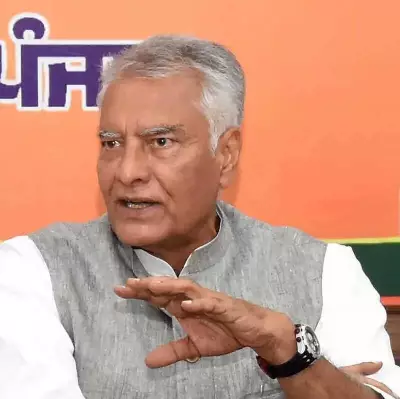
UK Court Orders Saudi Arabia to Pay $4.1 Million to YouTube Satirist Over Hacking and Assault
In a landmark legal ruling, the High Court in London has ordered the Kingdom of Saudi Arabia to pay over £3 million (approximately $4.1 million) in damages to Saudi-born British comedian Ghanem al-Masarir. The court found compelling evidence that Saudi authorities were responsible for hacking his phone with Pegasus spyware and orchestrating a physical assault against him in central London.
From YouTube Fame to Cyber Surveillance
Ghanem al-Masarir, 45, gained international recognition through his satirical YouTube channel, where he posted videos mocking the Saudi royal family. His content garnered millions of views, making him a prominent critic of the Saudi government from his base in the United Kingdom, where he has lived for more than two decades and holds British citizenship.
In 2018, al-Masarir began noticing suspicious activity on his mobile devices. His phones slowed down dramatically, and their batteries drained unusually quickly. Around the same time, he reported feeling followed and harassed by individuals he believed were connected to the Saudi regime.

The Pegasus Spyware Infiltration
Suspecting state-sponsored surveillance, al-Masarir consulted cybersecurity experts who confirmed that his phone had been infected with Pegasus spyware. Developed by the Israeli firm NSO Group, Pegasus is a powerful tool capable of:
- Accessing a target's real-time location
- Remotely activating cameras and microphones
- Extracting personal data, photos, and messages
"It was something that I couldn't comprehend. They can see your location. They can turn on the camera. They can turn on the microphone, listen to you. They got your data, all pictures, everything. You feel you've been violated," al-Masarir told the BBC in an emotional interview.
The hacking occurred after he clicked on links sent via text messages that appeared to be exclusive membership offers from legitimate news organizations—a common social engineering tactic used by spyware operators.
Escalation to Physical Violence in London
The digital surveillance soon escalated to physical intimidation and violence. Al-Masarir claims he was stalked and harassed before being assaulted in central London by two men who confronted him over his satirical videos about the Saudi royal family.
According to court documents, the assailants punched him in the face and fled only when passers-by intervened. During the attack, they shouted insults including "slave of Qatar" and threatened to "teach him a lesson."
In another disturbing incident in 2019, a child approached al-Masarir in a Kensington cafe and sang a song praising Saudi King Salman. The encounter was recorded and shared on social media. Later that same day, a man allegedly walked up to him and warned, "Your days are numbered," before leaving the scene.
Landmark Legal Victory After Six-Year Battle
After six years of legal proceedings, the High Court delivered a decisive verdict. The judge stated there was a "compelling basis" to conclude that both the hacking and the assault were "directed or authorised by the Kingdom of Saudi Arabia or agents acting on its behalf."
The ruling emphasized that "The Kingdom of Saudi Arabia had a clear interest in and motivation to shut down the claimant's public criticism of the Saudi government." This case gained additional significance after a 2022 ruling determined Saudi Arabia could not claim state immunity, leading the kingdom to disengage from the legal proceedings.
Personal Toll and Uncertain Compensation
Despite the legal victory, al-Masarir has paid a heavy personal price. He now avoids travelling to central London and has not uploaded a YouTube video in three years, effectively silencing his once-vibrant channel.
The court's award of $4.1 million in damages represents a symbolic victory for critics of state-sponsored surveillance and intimidation. However, it remains uncertain whether Saudi Arabia will actually pay the compensation, as the kingdom has ceased participation in the case.

This ruling sets a significant precedent for holding governments accountable for extraterritorial actions against critics and highlights the growing legal challenges to spyware technologies like Pegasus.