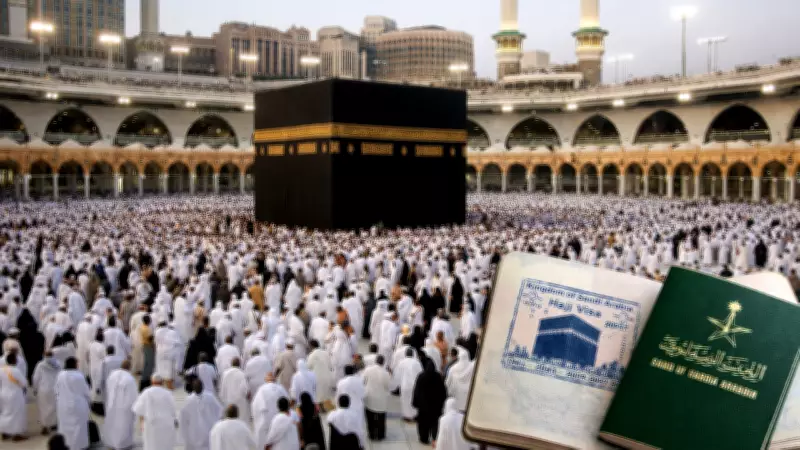
Saudi Arabia Initiates Early Visa Process for 2026 Hajj Season
Saudi authorities have commenced preparations for the next Hajj pilgrimage well in advance, opening the visa application process months before pilgrims are scheduled to begin their spiritual journey. This strategic move is designed to tighten planning protocols and alleviate pressure during the peak season, ensuring a more organized and efficient experience for all participants.
Advanced Timeline Aligns with Vision 2030 Objectives
The Saudi Ministry of Hajj and Umrah announced that visa issuance for the 2026 Hajj season, corresponding to 1447 AH, started on Sunday, February 8, which aligns with Sha’ban 20 in the Islamic calendar. By initiating this process nearly four months ahead of the rituals, the Kingdom sets a precedent for a more structured and predictable pilgrimage season.
Officials emphasized that this advanced timeline is integral to a broader initiative aimed at elevating service readiness and improving overall pilgrim comfort. The decision is closely tied to Saudi Arabia’s Vision 2030 framework, which prioritizes operational efficiency, enhanced service quality, and superior crowd management within the Hajj and Umrah ecosystem.
Comprehensive Preparations Underway
By launching visa issuance well in advance, authorities intend to provide pilgrims, service providers, and Hajj affairs offices with ample time to prepare, coordinate, and address logistical requirements before the arrival of visitors. This proactive approach is expected to streamline operations and minimize last-minute challenges.
The ministry has confirmed that contracts covering all essential services at the holy sites for international pilgrims have been finalized. Additionally, accommodation agreements in Makkah have been fully completed through the Nusk platform, marking a significant operational milestone early in the planning cycle.
Current Demand and Infrastructure Readiness
In terms of demand, approximately 750,000 pilgrims have registered so far for the 2026 Hajj. Packages have already been booked for 30,000 pilgrims directly from their home countries, indicating early engagement with the system and reflecting confidence in the new planning measures.
Preparations at the holy sites are progressing in tandem with visa issuance. Around 485 camps have been allocated for international pilgrims, while 73 Hajj affairs offices have completed their basic contractual arrangements. The ministry is actively coordinating with Hajj affairs offices and service providers both within and outside Saudi Arabia to finalize remaining operational details and ensure consistency across all services.
Focus on Smoother Operations and Enhanced Experience
Officials described the early visa rollout as a key component of a proactive strategy designed to reduce logistical bottlenecks and deliver a more organized Hajj experience. This step is part of a wider set of organizational and technical measures already in progress, including the completion of service contracts at the holy sites, approval of accommodation and transport agreements, and the preparation and allocation of camps.
Collectively, these measures are intended to support smooth operations and improve service delivery for the millions of pilgrims anticipated to arrive for Hajj 2026, reinforcing Saudi Arabia’s commitment to hosting a seamless and spiritually fulfilling pilgrimage.