

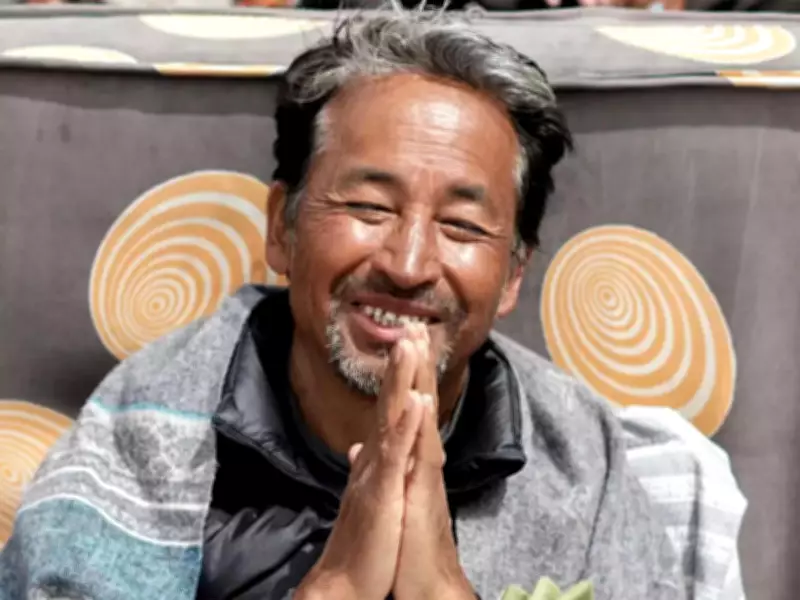
Supreme Court Postpones Hearing on Climate Activist Sonam Wangchuk's Detention Case
The Supreme Court of India has adjourned the hearing on a petition challenging the preventive detention of prominent climate activist Sonam Wangchuk to March 17. This decision came on Tuesday, marking another delay in a case that has been pending for months.
Background of the Case and Repeated Delays
Sonam Wangchuk was taken into preventive detention on September 26 amid reports of violence in Ladakh. In response, his wife, Gitanjali Angmo, swiftly moved the Supreme Court, which first took up her case on October 6 last year and issued a notice on her petition. Since then, the petition has been listed an astonishing 24 times over the past five months, yet the hearing has remained inconclusive, highlighting procedural hurdles.
Court's Stance and Government's Response
A bench comprising Justices Aravind Kumar and P B Varale presided over the latest hearing. The bench emphasized that it would not allow further adjournments on the next date and stated that the government would only be permitted to respond to aspects of the case that have not already been addressed. The court made it clear that it intends to wrap up the hearing and reserve its verdict on March 17.

The hearing was deferred this time because the court had not yet reviewed videos of the speech that formed the basis for Wangchuk's detention. Additionally, Additional Solicitor General K M Nataraj informed the bench that Solicitor General Tushar Mehta, who is slated to argue for the Centre, was unwell and unable to appear.
Concerns Over Delay and National Implications
Senior advocate Kapil Sibal, representing Gitanjali Angmo, expressed significant concern over the repeated delays. He argued that such postponements send a "wrong signal" across the country, potentially undermining public trust in the judicial process and raising questions about the handling of cases involving activists.
This case has drawn attention not only due to Wangchuk's high-profile status as a climate activist but also because of the broader implications for civil liberties and preventive detention laws in India. The Supreme Court's commitment to concluding the hearing on the next date is seen as a critical step toward resolving these issues.






