Supreme Court Acknowledges Concerns Over Self-Declaration in Caste Census
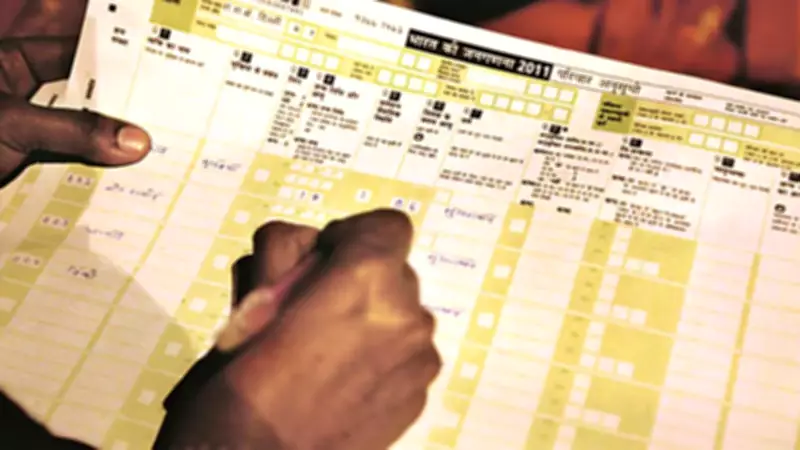
The Supreme Court of India has expressed agreement in principle with concerns raised regarding the methodology for caste enumeration in the upcoming Census 2027. The court highlighted that relying solely on self-declaration without verifiable material could compromise data integrity.
Petitioner's Argument for Verification
A Public Interest Litigation (PIL) filed by Delhi resident Aakash Goel argued that caste data collection should incorporate verifiable material rather than mere self-declaration. Represented by Senior Advocate Mukta Gupta, the petitioner emphasized that census data forms the foundation for welfare policies and reservations, making accuracy paramount.
"We are not opposed to the caste census. The only prayer is that it should be on the basis of verified material," Gupta stated before the bench comprising Chief Justice of India Surya Kant and Justice Joymalya Bagchi. She warned that unverified self-declaration could be hazardous, allowing individuals to make unsubstantiated claims that would undermine census sanctity.

Court's Directive to Authorities
The Supreme Court bench recognized the petitioner's concerns as relevant and directed census authorities to consider the suggestions. While acknowledging that census procedures fall under the expertise of specialized bodies governed by the Census Act, 1948, the court emphasized the importance of addressing potential inaccuracies.
"In principle, we agree with you. Nothing should be included or excluded based upon a certificate, the genuineness of which might be either doubtful or unverified," Chief Justice Surya Kant remarked. The court disposed of the writ petition with instructions for authorities to examine the issues raised in the petitioner's legal notice dated July 9, 2025.
Broader Implications for Census 2027
The petition, filed through advocates Anuj P Agarwala and Aayush Agarwala of PBA Legal, pointed out significant gaps in the current framework:
- No publicly available guidelines or questionnaire for caste data recording
- Absence of standardized methodology despite inclusion of OBCs alongside SC/ST categories
- Lack of verification mechanisms risking data fragmentation and unreliability
The plea stressed that without proper validation processes, the census could suffer from:
- Overcounting or undercounting of caste populations
- Misclassification of caste identities
- Internal inconsistencies in collected data
Given that Census 2027 represents the first official enumeration including OBCs since 1931, and with an estimated cost of Rs 13,500 crore, the petitioner argued that data accuracy is crucial for equitable policy implementation.
Judicial Recognition of Concerns
Justice Bagchi noted that while census procedures must be determined by expert bodies, the petitioner's representation deserved consideration. The court order stated that authorities should have "evolved a robust mechanism" to prevent mistakes but acknowledged the validity of the flagged issues.
Chief Justice Surya Kant commended the petitioner's efforts, stating, "You have done a commendable job. You have brought it to the notice of the authorities, and you have sensitised them also." The court's directive ensures that concerns about verification will be formally examined as preparations for Census 2027 continue.