

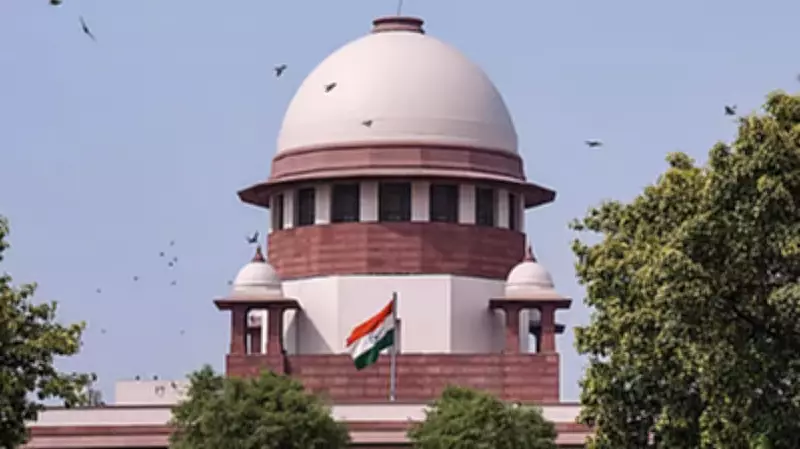
Supreme Court Permits Contempt Proceedings Over Lawyer's 'Unfounded' Judicial Allegations
The Supreme Court of India has taken a firm stance by allowing contempt proceedings against a lawyer representing the father of Disha Salian, labeling the situation as a serious matter due to what it termed unfounded allegations against the judiciary. This decision underscores the court's commitment to upholding the dignity and integrity of the legal system in the face of public criticism.
Background of the Case Involving Disha Salian
Disha Salian, a former manager of actor Sushant Singh Rajput, was found dead in June 2020 under circumstances that have sparked widespread speculation and controversy. Her death, which occurred just days before Rajput's own tragic demise, has been the subject of intense media scrutiny and legal battles, with her family seeking justice and clarity.
The lawyer in question, representing Salian's father, made statements that the Supreme Court deemed as baseless accusations against the judiciary. These allegations, according to the court, not only undermine public trust but also constitute a direct challenge to the authority and impartiality of the judicial process.

Legal Implications and Court's Rationale
In its ruling, the Supreme Court emphasized that unfounded allegations against the judiciary are a grave concern that cannot be taken lightly. The court highlighted several key points:
- Such statements can erode confidence in the legal system and hinder the administration of justice.
- Contempt proceedings serve as a necessary tool to protect the judiciary from unwarranted attacks and maintain its decorum.
- The case sets a precedent for holding legal professionals accountable for their public remarks, especially when they involve serious accusations without evidence.
This move by the Supreme Court is seen as a proactive measure to safeguard the rule of law and ensure that the judiciary remains free from undue influence or defamation. It reflects a broader trend in Indian jurisprudence where courts are increasingly vigilant about maintaining their independence and reputation.
Broader Context and Public Reaction
The decision has sparked discussions among legal experts and the public alike. Many view it as a necessary step to curb misinformation and uphold judicial integrity, while others express concerns about potential chilling effects on free speech and legal advocacy.
Key aspects of the broader context include:
- The ongoing investigations into the deaths of Disha Salian and Sushant Singh Rajput, which have involved multiple agencies and court hearings.
- The role of media and social media in shaping public perception of such high-profile cases, often leading to sensationalism and unverified claims.
- The balance between protecting judicial authority and allowing for legitimate criticism and transparency in legal proceedings.
As the contempt proceedings move forward, they are expected to draw significant attention, potentially influencing how lawyers and the public engage with the judiciary in sensitive cases. The Supreme Court's action reaffirms its position as a guardian of legal norms and a bulwark against attempts to destabilize the justice system.






