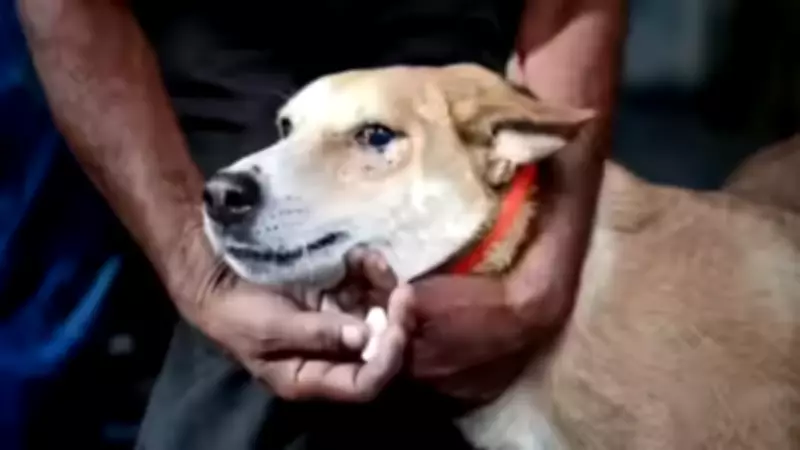
The Supreme Court on Wednesday ruled that while animal rights activists and groups can feed and care for stray dogs in public spaces, they will be held tortiously liable for any injuries caused by these animals to the public. A bench comprising Justices Vikram Nath, Sandeep Mehta, and N V Anjaria emphasized that the right to protect stray dogs cannot be separated from the responsibility to prevent harm to others.
Right and Responsibility Go Hand in Hand
The bench stated, "While considerable emphasis has been placed on the protection, feeding, and continued presence of community dogs in public and institutional spaces, a pertinent question arises as to whether such individuals, organizations, and associations would be willing to assume corresponding legal responsibility for the consequences arising therefrom." The court highlighted that animal rights cannot operate in isolation and must be accompanied by accountability.
Case in Point: Nalsar Hyderabad
The court was hearing a plea from the Animal Law Centre at the National Academy of Legal Studies and Research (Nalsar), Hyderabad, which has institutionalized humane treatment of stray dogs on its campus. The centre argued that such initiatives promote empathy among students and align with the Animal Birth Control Rules. The bench allowed the centre to continue its work on an experimental basis but directed it to furnish an undertaking to the Nalsar vice-chancellor, accepting tortious liability for any stray dog bite incidents within the campus.

The court observed, "This court is of the considered opinion that any framework concerning the management and protection of stray dogs must necessarily be accompanied by clearly defined principles of accountability. The assertion of rights or interests in favour of such animals cannot operate in isolation, divorced from the corresponding responsibility to safeguard human life and safety."
Mandatory Liability for Animal Welfare Groups
For animal welfare groups or student-led bodies in educational institutions, the court made it mandatory to expressly undertake such liability by filing an affidavit with the head of the institution. Failure to comply would result in the prohibition of feeding or maintaining stray dogs within institutional premises, and the head of the institution would face action.