

Supreme Court Grants Permission to Withdraw Life Support After 13-Year Ordeal
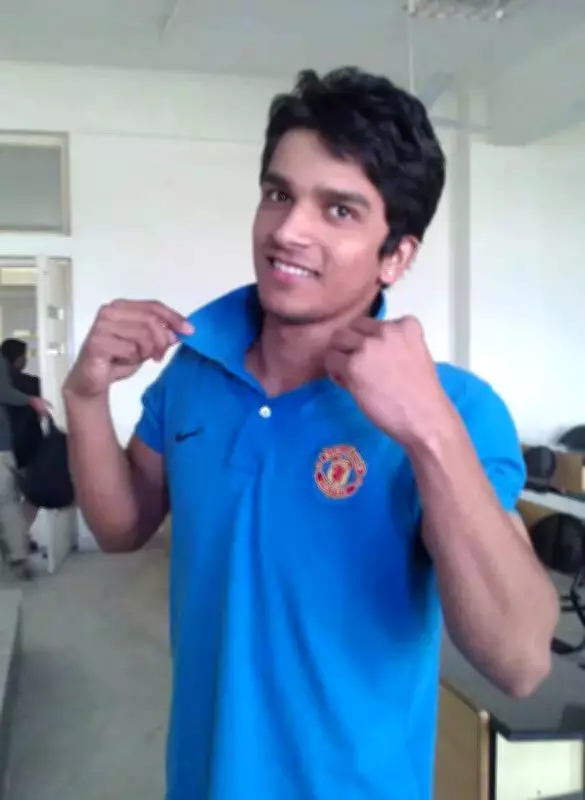
In a landmark ruling that brings a painful chapter to a close, the Supreme Court of India has allowed the withdrawal of life-sustaining treatment for Harish Rana, a 31-year-old man who has been in a permanent vegetative state for the past 13 years. The decision, delivered on Wednesday, provides long-awaited relief to his family, who have endured immense emotional and financial hardship while caring for their son.
A Father's Agonizing Decision and Gratitude
Speaking from their home in Ghaziabad's Raj Nagar Extension, Harish's father, Ashok Rana, fought back tears as he addressed the media. "For Harish and for us, this is a difficult decision, but it's in our interest," he stated. "Watching your own child fade away is the deepest pain a parent can suffer. Yet, for him, death is a release, a gentle escape from the endless misery and suffering he has endured for the last 13 years."
Ashok expressed profound gratitude to the Supreme Court, saying, "We are grateful for the humane judgment. We thank God. The judges who heard the case were also guided by God's grace. Through their guidance, the judgment we wanted was delivered." He clarified that the court's order does not involve active euthanasia but permits the withdrawal of life-support, such as a PEG feeding tube, while ensuring palliative care is provided.

The Tragic Incident and Medical Condition
Harish's ordeal began in 2013 when he was in the final semester of his BTech in civil engineering at Panjab University. A fall from the fourth floor of his paying guest accommodation in Kharar left him with severe brain injuries. Despite extensive treatment at premier institutions like PGI Chandigarh, AIIMS, Ram Manohar Lohia Hospital, and Lok Nayak Hospital in Delhi, he developed diffuse axonal injury—a severe traumatic brain injury affecting the white matter.
Since the accident, Harish has remained in a permanent vegetative state with quadriplegia, involving paralysis of all four limbs and torso, and has been classified with 100% disability. "Our son was a brilliant student. He was a topper in civil engineering at the university," Ashok recalled, detailing the fateful day of August 20, 2013, which coincided with Raksha Bandhan.
Family's Struggle and Legal Battle
Bedridden and dependent on a feeding tube, Harish has been primarily cared for by his mother, Nirmala Devi, and Ashok. Recognizing the irreversibility of his condition, the parents approached the courts seeking permission for passive euthanasia, invoking guidelines from the Supreme Court's Common Cause vs Union of India case. Their plea reached the Supreme Court last year, leading to the formation of multiple medical boards to assess Harish's situation.
The family's fight was driven not only by personal anguish but also by a desire to help others. "This fight is not only about our own son. Across India, there may be many families facing a similar situation. We raised this issue in larger public interest," Ashok emphasized.
Financial and Emotional Toll
The legal battle and ongoing care have taken a severe toll on the Rana family. In 2021, they were forced to sell their three-storey house in Delhi's Mahavir Enclave due to poor ambulance access. Ashok, who receives a pension of Rs 3,500, supplements his income by selling sprouts and sandwiches near a local sports ground. His younger son, Ashish, recently employed in the private sector, helps support the household.
"We are not financially affluent. Selling the house was the only option," Ashish explained. The family previously spent up to Rs 41,000 monthly on nursing and physiotherapy, which became unsustainable. Currently, they incur Rs 20,000–25,000 per month on Harish's care, having received only Rs 50,000 in government assistance once.
Ashok lamented, "It's not easy for us to pray for our son's death daily," highlighting the emotional burden. A neighbor, BK Sharma, noted, "They are humble. They've been living here for the past 6-7 years. It is a very wise judgment that Supreme Court delivered today. It is not easy for anyone to make such a decision."

Government Support and Future Measures
Following the ruling, Ghaziabad District Magistrate Ravindra Kumar Mander, along with other officials, visited the family to discuss support measures. The district administration has provided immediate financial assistance of Rs 2.5 lakh and pledged additional aid through the Chief Minister's Vivekananda Relief Fund.
Mander announced, "The family has been given immediate financial assistance of Rs 2.5 lakh. Additional financial aid will also be provided through the CM's Vivekananda Relief Fund." He added that the government would allot a shop to the family to stabilize their livelihood and connect them with other welfare schemes. The Uttar Pradesh government has directed the district administration to prioritize extending eligible benefits to the family.
This case underscores the complex ethical and legal dimensions of end-of-life care in India, setting a precedent for families in similar distressing circumstances.





