

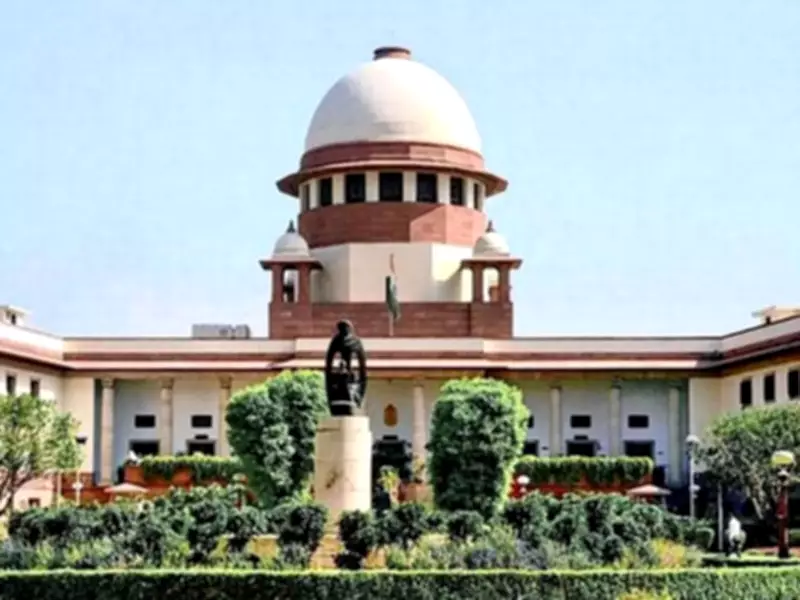
Supreme Court Approves Passive Euthanasia in Historic Ruling, Invokes Shakespeare's Hamlet
In a landmark decision, the Supreme Court of India has granted approval for passive euthanasia for 31-year-old Harish Rana, who has been in a persistent vegetative state since August 2013 following a tragic fall from a building in Chandigarh. The ruling, delivered on Wednesday by a bench comprising Justices JB Pardiwala and KV Viswanathan, marks the first judicial permission of passive euthanasia in the country, setting a significant legal precedent.
Shakespearean Reference in Judicial Interpretation
Justice Pardiwala notably referenced William Shakespeare's iconic play Hamlet during the proceedings, drawing upon the famous line "To be or not to be" to frame the court's deliberation on the Right to Die. "The famous literary Shakespeare quote 'To be or not to be' is now being used for judicially interpreting the 'Right to Die,'" Justice Pardiwala stated at the outset of the judgment, highlighting the profound ethical and philosophical dimensions of the case.
Compassionate Acknowledgment of Parental Care
The bench extended heartfelt commendation to Rana's parents for their unwavering dedication and resilience over the years. "You are not giving up on your son. You are allowing him to live with dignity," Justice Pardiwala remarked in concluding the judgment, emphasizing that the decision aligns with principles of human dignity and compassionate care rather than abandonment.

Medical Rationale and Implementation Directives
Based on comprehensive medical assessments, the court determined that continuing Clinically Assisted Nutrition (CAN) would not serve Rana's best interests. Consequently, the Supreme Court has directed the All India Institute of Medical Sciences (AIIMS) to facilitate his transfer to its palliative care department, ensuring a dignified and medically supervised withdrawal of life-sustaining treatment. This process involves:
- Ceasing aggressive therapeutic interventions that no longer provide benefit
- Providing palliative support to manage comfort and symptoms
- Adhering to established ethical and legal protocols for end-of-life care
Understanding Passive Euthanasia in India
Passive euthanasia entails the withdrawal or withholding of life-sustaining medical treatment for patients in irreversible vegetative states, allowing natural death to occur. This differs from active euthanasia, which involves direct intervention to end life. The Supreme Court's ruling reinforces the legal framework for such decisions, balancing patient autonomy, medical ethics, and constitutional rights.
Alignment with National Health Guidelines
This judgment coincides with recent developments in healthcare policy. In October 2024, the Union Health Ministry released draft "Guidelines for Withdrawal of Life Support in Terminally Ill Patients," outlining conditions under which life support may be withdrawn. These include:
- Declaration of brainstem death as per the Transplantation of Human Organs and Tissues Act (THOTA)
- Medical prognosis indicating advanced disease with minimal benefit from aggressive treatments
- Informed refusal from the patient or surrogate after prognostic awareness
- Compliance with Supreme Court-prescribed procedures
The court's decision in Rana's case is expected to inform and strengthen the implementation of these guidelines, providing clarity and legal sanctity to end-of-life care practices across India.
Broader Implications for Healthcare and Law
This ruling not only addresses Harish Rana's specific circumstances but also establishes a judicial benchmark for future cases involving terminal illness and vegetative states. It underscores the evolving interpretation of the Right to Life under Article 21 of the Constitution to encompass the Right to Die with dignity, reflecting societal and medical advancements in understanding quality of life and patient autonomy.
The Supreme Court's integration of literary wisdom with legal reasoning highlights the multifaceted nature of such profound decisions, paving the way for more compassionate and legally sound approaches to end-of-life care in India.






