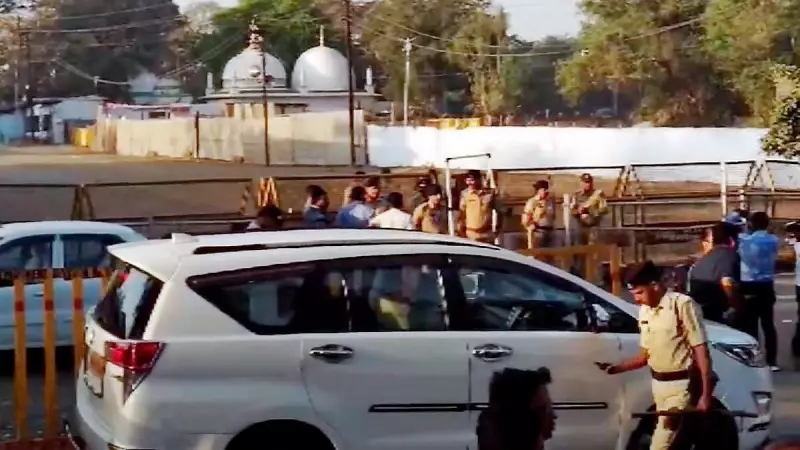
In a significant development concerning religious practices at contested heritage sites, the Supreme Court of India has issued a ruling permitting both Hindu puja and Muslim namaz to be conducted at the Bhojshala-Kamal Maula complex located in Madhya Pradesh. This decision comes after Hindu and Muslim groups separately approached the apex court, seeking its intervention to allow their respective religious activities at this historically significant location.
Background of the Bhojshala-Kamal Maula Dispute
The Bhojshala-Kamal Maula site has long been a subject of religious and historical contention between Hindu and Muslim communities. Hindus regard the structure as the Bhojshala, a temple dedicated to Goddess Saraswati, while Muslims identify it as the Kamal Maula Mosque. This dual identity has led to periodic tensions and legal battles over the years, with both sides asserting their rights to worship at the premises.
Supreme Court's Intervention and Ruling
Recognizing the sensitivity and complexity of the issue, the Supreme Court stepped in to address the petitions filed by representatives from both religious groups. The court's ruling aims to balance the religious freedoms of both communities by allowing structured and regulated puja and namaz sessions. This decision is seen as an effort to promote harmony and mutual respect while acknowledging the site's dual religious significance.

The court emphasized the importance of maintaining peace and order during the conduct of religious activities. Specific guidelines and time slots are expected to be established to ensure that both puja and namaz can be performed without conflict or disruption. This approach mirrors similar arrangements at other disputed sites across India, where shared usage has been implemented under judicial supervision.
Reactions and Implications
Initial reactions from both Hindu and Muslim groups have been cautiously optimistic, with many welcoming the court's decision as a step towards peaceful coexistence. However, some concerns remain regarding the practical implementation of the ruling, including security measures and the management of crowds during religious ceremonies.
This ruling is likely to set a precedent for how other disputed religious sites in India are managed, highlighting the judiciary's role in mediating complex interfaith issues. It underscores the constitutional principles of religious freedom and equality, while also addressing the need for social harmony in a diverse society.
Future Steps and Monitoring
The Supreme Court has indicated that it will monitor the situation closely to ensure compliance with its directives. Local authorities in Madhya Pradesh are expected to collaborate with community leaders to develop a detailed plan for the shared use of the Bhojshala-Kamal Maula complex. This may include:
- Establishing clear schedules for puja and namaz sessions
- Implementing security protocols to prevent any untoward incidents
- Creating a joint committee comprising members from both communities to oversee activities
- Regular reviews and adjustments based on ground realities
As India continues to navigate its rich tapestry of religious diversity, the Supreme Court's ruling on the Bhojshala-Kamal Maula site serves as a reminder of the ongoing efforts to find equitable solutions to longstanding disputes. The focus now shifts to the effective execution of this decision, with hopes that it will foster greater understanding and cooperation between the communities involved.