

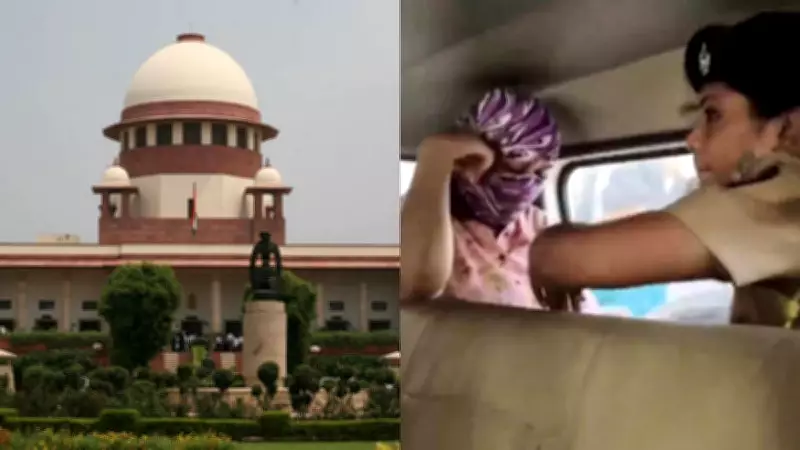
Supreme Court Application Highlights TCS Nashik Case as National Concern
An application has been filed in the Supreme Court's suo motu case regarding religious conversions, specifically citing the "Organised Religious Conversion in Nashik" incident as a matter that has profoundly impacted the nation. The document asserts that this case has "shaken the conscience of citizens across the country," bringing widespread attention to the issue of alleged forced conversions in India.
Background of the TCS Nashik Incident
The case originates from a complaint lodged with the Nashik City Police in February by a political party worker. This complaint triggered a series of legal and public discussions, culminating in the current Supreme Court proceedings. The application emphasizes the organized nature of the alleged conversions, linking it to broader societal and legal debates on religious freedom and coercion.
Legal and Social Implications
The filing in the Supreme Court underscores several key points:

- The incident is described as having national repercussions, affecting public sentiment and ethical considerations.
- It raises questions about the enforcement of laws against forced conversions and the role of judicial oversight.
- The case is part of ongoing suo motu actions by the Supreme Court, indicating its proactive stance on sensitive religious matters.
This development follows earlier reports and social media discussions, including tweets from legal news outlets, which have amplified the case's visibility. The application seeks to integrate the Nashik incident into the broader Supreme Court framework, potentially influencing future rulings and policy directions on religious conversion issues in India.
Public and Political Reactions
Reactions to the application have been mixed, with some groups applauding the Supreme Court's attention to what they view as a critical issue, while others express concerns about potential implications for religious minorities. The case continues to spark debates on the balance between religious rights and national unity, with the Supreme Court poised to play a pivotal role in shaping the outcome.
As the legal process unfolds, stakeholders from various sectors, including political, religious, and civil society organizations, are closely monitoring the proceedings. The application's reference to the "conscience of citizens" highlights the emotional and ethical dimensions of the case, making it a significant topic in India's contemporary legal and social landscape.






