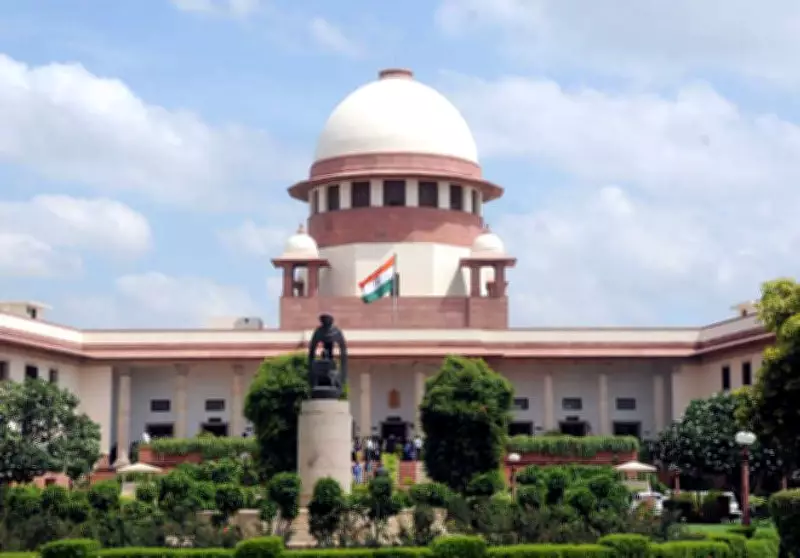
Supreme Court Mandates Clear Procedures for Human Trafficking Cases
The Supreme Court of India has issued a significant directive, calling upon both the central and state governments to explicitly outline the procedures for handling human trafficking cases. This move aims to streamline and strengthen the legal and administrative response to this pervasive crime, which affects thousands of individuals annually across the nation.
Court's Emphasis on Coordinated Action
In a recent hearing, the apex court underscored the urgent need for a standardized and efficient framework to address human trafficking. The bench, led by Chief Justice of India, highlighted that the current fragmented approach often leads to delays and inconsistencies in justice delivery. By asking the governments to spell out clear procedures, the court seeks to ensure that all stakeholders, including law enforcement agencies, judiciary, and social welfare departments, work in a synchronized manner.
The directive requires the submission of detailed protocols within a specified timeframe, focusing on aspects such as victim identification, rescue operations, legal aid, and rehabilitation measures. This step is seen as crucial in enhancing the accountability and effectiveness of anti-trafficking efforts, which have been hampered by bureaucratic hurdles and lack of coordination.

Implications for National and State-Level Policies
This judicial intervention is expected to have far-reaching implications for India's fight against human trafficking. At the national level, the central government will need to review and possibly amend existing laws and policies, such as the Immoral Traffic (Prevention) Act, to align with the court's directives. States, on the other hand, will be required to tailor their responses to local contexts while adhering to the overarching guidelines set by the centre.
The court's order also emphasizes the importance of victim-centric approaches, ensuring that survivors receive timely support and protection throughout the legal process. This includes measures like safe shelters, counseling services, and financial assistance, which are often overlooked in the rush to prosecute offenders.
Challenges and Opportunities in Implementation
While the directive is a positive step, experts point out several challenges in its implementation. These include:
- Resource constraints in many states, which may hinder the establishment of specialized units for trafficking cases.
- Variations in state capacities and priorities, potentially leading to uneven enforcement of procedures.
- The need for continuous training and sensitization of officials to handle such sensitive cases with empathy and efficiency.
However, this also presents an opportunity to foster greater collaboration between different levels of government and civil society organizations. By setting clear benchmarks, the Supreme Court's move could catalyze a more robust and humane response to human trafficking, ultimately contributing to a reduction in incidents and better outcomes for victims.
In conclusion, the Supreme Court's directive marks a pivotal moment in India's legal landscape, pushing for a more structured and compassionate approach to combating human trafficking. As governments work to comply, the focus must remain on ensuring that these procedures translate into tangible improvements on the ground, safeguarding the rights and dignity of those affected by this heinous crime.