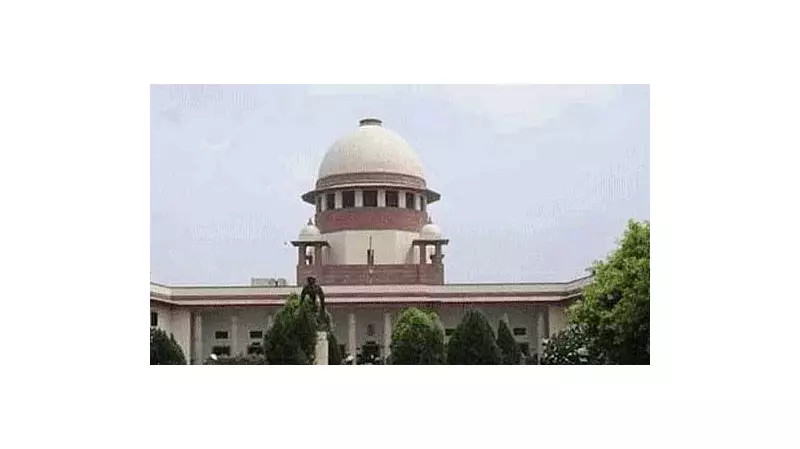
The Supreme Court of India has taken a significant step to address the long delays in justice for acid attack survivors. The apex court has directed all High Courts across the country to provide comprehensive details regarding the number of acid attack trials that are currently pending.
Bench Directs Data Collection on Pending Cases
A bench comprising Chief Justice Surya Kant and Justice Joymalya Bagchi issued this directive. The court's order aims to gather a national picture of the backlog in these particularly sensitive and heinous cases. The move is intended to streamline the judicial process and ensure timely justice for victims.
Notices Issued to Central Government
In the same hearing, the Supreme Court bench also issued formal notices to the Centre and the Department of Empowerment of Persons with Disabilities. These notices were issued in response to a Public Interest Litigation (PIL) filed by acid attack survivor Shaheen Malik. The PIL highlights the systemic hurdles and delays faced by survivors in their quest for justice and rehabilitation.
The development, reported by PTI, was recorded on 04 December 2025. The court's proactive stance underscores the urgent need to evaluate and accelerate the legal proceedings for acid attack cases, which often involve immense trauma for the survivors.
Implications for Justice and Rehabilitation
This judicial intervention is expected to have far-reaching consequences. By compiling data on pending trials, the Supreme Court can identify bottlenecks and implement measures to expedite these cases. Furthermore, the involvement of the Department of Empowerment of Persons with Disabilities signals a holistic approach, linking legal justice with the necessary support and rehabilitation for survivors.
The PIL by Shaheen Malik has successfully brought national attention to the procedural delays that compound the suffering of acid attack victims. The Supreme Court's response marks a critical moment in the ongoing fight for a more efficient and empathetic justice system for some of the most vulnerable petitioners.