

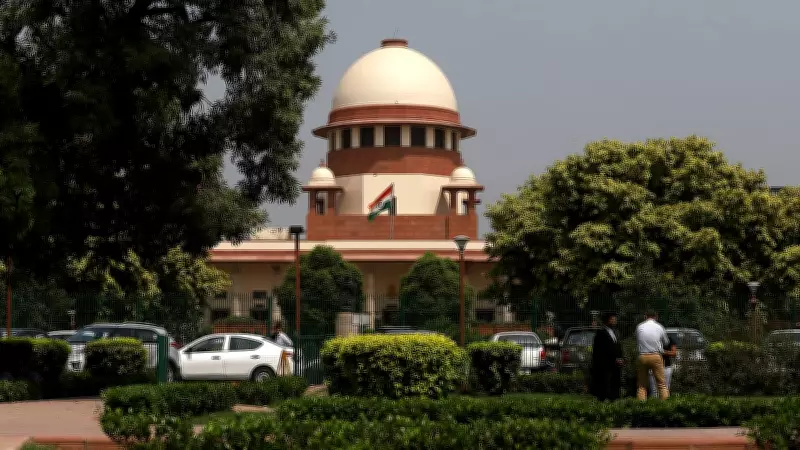
Supreme Court Declines to Interfere with Environmental Approval for Kerala's Kozhikode-Wayanad Tunnel Project
In a significant development, the Supreme Court of India has refused to intervene in the environmental clearance granted to the proposed Kozhikode-Wayanad tunnel project in Kerala. The decision underscores the judiciary's stance on balancing environmental concerns with infrastructural development deemed crucial for national progress.
Bench Emphasizes National Importance During Hearing
During the hearing, the bench addressed senior advocate Shyam Divan, who was representing a non-governmental organization (NGO) challenging the project. The court explicitly stated that the Kozhikode-Wayanad tunnel is of national importance, highlighting its potential to enhance connectivity and economic growth in the region. This assertion reflects the broader governmental focus on improving infrastructure across India to support development goals.
The project, which aims to create a tunnel linking Kozhikode and Wayanad districts, has been a topic of debate due to environmental considerations. However, the Supreme Court's refusal to interfere suggests a prioritization of the project's benefits, such as reducing travel time and boosting tourism and trade in Kerala. The bench's remarks during the hearing indicate a careful evaluation of the environmental impact assessments conducted prior to granting clearance.

Background and Implications of the Decision
The environmental nod for the Kozhikode-Wayanad tunnel was initially approved by relevant authorities, but faced legal challenges from environmental groups concerned about ecological damage. The Supreme Court's decision to uphold the clearance means that the project can proceed without further judicial hurdles, provided it adheres to stipulated environmental safeguards.
This ruling is expected to have far-reaching implications:
- Infrastructure Development: It paves the way for accelerated work on the tunnel, which is part of larger efforts to improve Kerala's transportation network.
- Legal Precedent: The court's emphasis on national importance may influence future cases involving similar projects across India.
- Environmental Governance: While supporting the project, the decision reinforces the need for robust environmental assessments in infrastructure planning.
As of April 6, 2026, the Supreme Court's stance has been widely reported, with stakeholders in Kerala and beyond closely monitoring the project's next steps. The refusal to interfere is seen as a boost for state and central government initiatives aimed at enhancing connectivity through strategic tunnels and highways.






