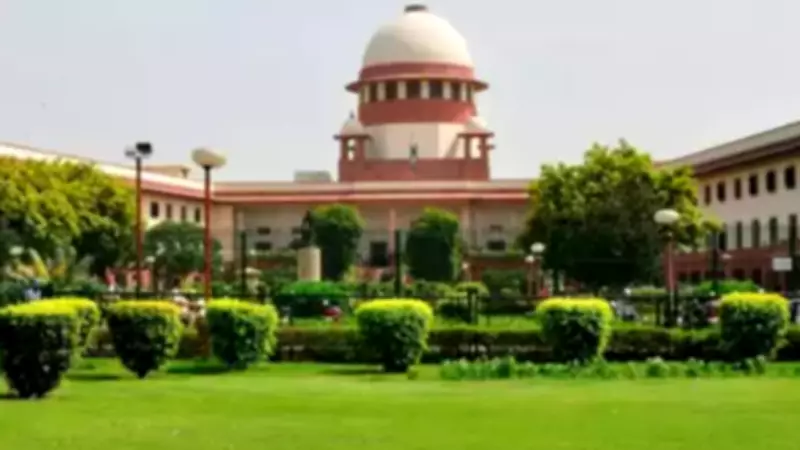
Supreme Court Upholds Telangana High Court Guidelines on Social Media Speech Cases
The Supreme Court of India on Monday upheld the guidelines issued by the Telangana High Court that restrict police from mechanically registering cases over "harsh, offensive critical political speech" on social media platforms. This landmark decision mandates that law enforcement agencies must first conduct a preliminary inquiry and verify the locus standi of the complainant before proceeding with any formal case registration.
Ending Harassment Through Multiple Cases
The Supreme Court order is expected to curtail the prevalent practice of harassing individuals by filing multiple cases against those whose social media posts are critical of the government or the ruling party. By upholding these guidelines, the apex court has reinforced safeguards for fundamental rights, particularly the right to freedom of speech and expression under Article 19(1)(a) of the Indian Constitution.
Key Provisions of the Guidelines
The guidelines established by the Telangana High Court include several critical provisions:
- Police must verify whether the complainant qualifies as the "person aggrieved" under the law before registering a case.
- A preliminary probe must be conducted before lodging a First Information Report (FIR).
- Criminal law may only be invoked when the speech amounts to incitement to violence or poses a genuine threat to public order.
- Automatic or mechanical arrests are deemed impermissible, and the principle of proportionality must be observed in the exercise of criminal processes.
Background: High Court's Rationale
The Telangana High Court had originally passed these guidelines while quashing criminal cases registered for criticising the Telangana Congress government and the Chief Minister. The court had emphasised that social media posts constituting political criticism and satire do not amount to defamation or public mischief. Such expressions are fully protected by constitutional guarantees of free speech.
The High Court explicitly stated: "No case alleging promotion of enmity, intentional insult, public mischief, threat to public order, or sedition shall be registered unless there exists prima facie material disclosing incitement to violence, hatred, or public disorder."
Supreme Court's Endorsement
After thoroughly examining the High Court order and its norms, the Supreme Court expressed appreciation for the measures taken. The bench remarked, "We appreciate what the High Court has done." Senior advocate Sidharth Luthra attempted to highlight the broader implications of these guidelines, urging the court to scrutinise them further. However, the Supreme Court found no infirmity in the norms and upheld them in their entirety.
This ruling underscores the judiciary's commitment to balancing law enforcement with the protection of democratic freedoms, ensuring that political discourse on digital platforms is not stifled by unwarranted legal actions.