Supreme Court Intervenes in Film Release, Citing Risks to Social Harmony
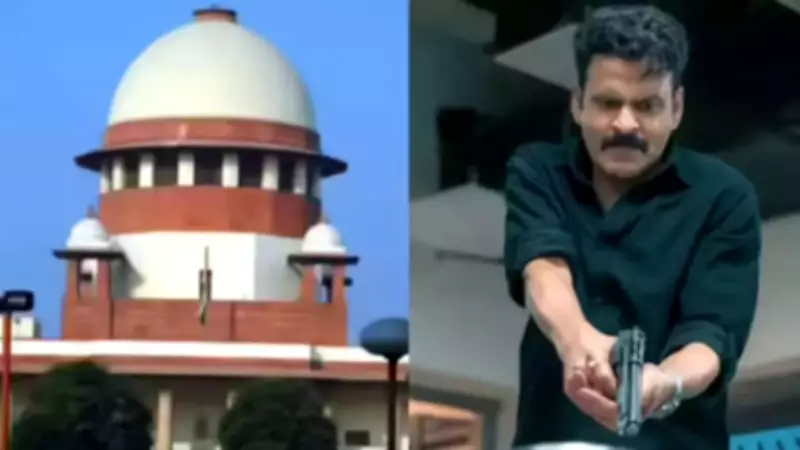
The Supreme Court of India has taken a firm stance against the potential release of the film 'Ghooskhor Pandat', emphasizing that the fundamental right to speech and expression does not grant a license to denigrate any citizen or community. In a significant ruling on Thursday, the court made it unequivocally clear to the producers that the film would not be allowed to hit theaters if its title remained unchanged.
Court's Strong Rebuke on Denigration and Public Order
A bench comprising Justices B V Nagarathna and Ujjal Bhuyan issued a notice in response to a Public Interest Litigation (PIL) challenging the film's release. The justices expressed deep concern over the existing unrest and fissures in society, warning that the film's release could exacerbate these problems. "Why should you denigrate anybody? It's against morality and public order," the bench asserted, highlighting the responsibilities that come with creative freedom.
The court underscored that filmmakers, journalists, and other creative professionals are expected to be aware of the reasonable restrictions on free speech. "No section of society should be denigrated. If you use your freedom to denigrate any section of society, we can't permit it," the bench stated, reinforcing the legal boundaries of expression.

Producers Agree to Title Change, Court Sets Deadline
During the proceedings, a lawyer representing the producers informed the court that they were willing to change the film's title. In response, the bench directed the producers to file a formal response and disclose the new title by the next hearing date, scheduled for February 19. This move aims to ensure compliance with the court's directives before any potential release.
Broader Context: Fraternity Under Strain
The Supreme Court also addressed broader societal issues, urging creative individuals to refrain from actions that could disturb fraternity by targeting specific communities. To illustrate the fragility of social harmony, the bench referenced a recent incident in Uttarakhand where a Muslim shopkeeper was pressured to remove the word "Baba" from his signboard. This example served to highlight the ongoing tensions that such content could inflame.
Background: Previous Legal Challenges
Earlier, a writ petition had been filed in the Delhi High Court opposing the film, which stars Manoj Bajpayee and is directed by Neeraj Pandey. The High Court disposed of the petition after the producers assured that the title would be altered. However, the Supreme Court's intervention has now escalated the matter, setting a precedent for stricter scrutiny of content that may threaten public order and social cohesion.
This ruling underscores the judiciary's commitment to balancing free speech with the need to protect societal harmony, sending a clear message to the entertainment industry about the limits of creative expression.