Supreme Court Mandates Written and Signed Compromises in Civil Suits
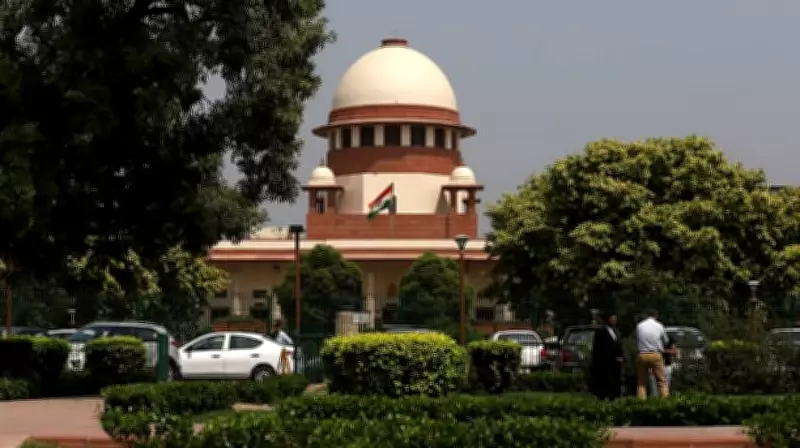
The Supreme Court of India has delivered a landmark ruling, declaring that any compromise or settlement reached in civil suits must be documented in writing and bear the signatures of the parties involved. The bench, while delivering the judgment on July 5, 2026, emphasized that oral agreements or unsigned memoranda would not be recognized as valid compromises under the Code of Civil Procedure (CPC).
The ruling came in a case where a compromise was allegedly reached orally but later disputed by one party. The Supreme Court clarified that Order 23 Rule 3 of the CPC, which deals with compromise of suits, requires a written agreement signed by the parties. The bench noted that this requirement is mandatory to ensure clarity and prevent future disputes.
Invocation of Inherent Powers Under Section 151 CPC
In its judgment, the Supreme Court invoked its inherent powers under Section 151 of the CPC to prevent the perpetuation of illegality. The bench stated that allowing unsigned or oral compromises to stand would undermine the integrity of judicial proceedings. The court observed that such informal arrangements often lead to further litigation, defeating the purpose of settlement.

According to the bench, Section 151 empowers the court to make such orders as may be necessary for the ends of justice or to prevent abuse of its process. The court used this power to set aside an earlier order that had accepted an oral compromise as valid. The ruling reinforces the principle that procedural safeguards must be strictly adhered to in civil matters.
Impact on Civil Litigation
Legal experts believe that this decision will bring greater discipline to the settlement process in Indian courts. The requirement of written and signed compromises will reduce ambiguity and provide a clear record of the terms agreed upon. This is expected to decrease the number of disputes arising from alleged oral settlements.
The Supreme Court also directed that all trial courts and high courts must ensure compliance with this rule. Any compromise recorded without proper documentation may be declared void ab initio. The bench further stated that lawyers and parties must be made aware of this requirement to avoid procedural lapses.
In its detailed order, the court cited previous judgments that emphasized the need for written compromises. It noted that the purpose of Order 23 Rule 3 is to provide a conclusive mechanism for settling disputes, and any deviation from this procedure would be contrary to law.
Reactions from Legal Fraternity
Senior advocate and former law minister, who spoke on condition of anonymity, said, "This judgment is a significant step towards ensuring that settlements are not later challenged on technical grounds. It brings much-needed certainty to the process." Another legal expert commented that the ruling would particularly benefit litigants in rural areas, where oral compromises are common.
The Supreme Court's decision has been welcomed by judicial officers and lawyers alike. Many believe it will streamline the process of recording compromises and reduce the burden on courts. The judgment is expected to be cited frequently in future cases involving settlement disputes.
According to court statistics, nearly 30% of civil suits in India involve some form of compromise or settlement. The new ruling is likely to impact thousands of cases pending in various courts. The bench clarified that the requirement applies to all stages of litigation, including appeals and execution proceedings.
Conclusion
The Supreme Court's emphatic ruling reinforces the importance of procedural compliance in civil litigation. By mandating written and signed compromises, the court has closed the door on informal settlements that often lead to further legal battles. The invocation of Section 151 CPC underscores the court's commitment to preventing illegality and ensuring justice.