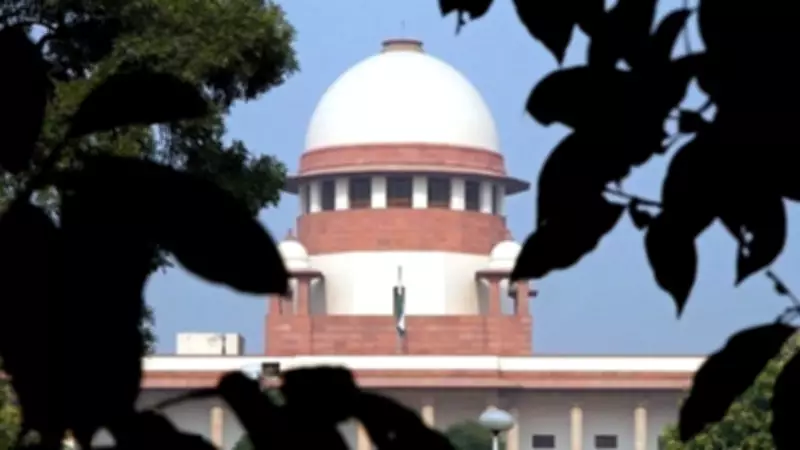
The Supreme Court of India has expressed grave concern over significant delays by several state governments in submitting necessary proposals for the appointment of Directors General of Police (DGPs). The apex court's intervention highlights ongoing challenges in implementing police reforms and ensuring timely leadership transitions in state police forces across the country.
Judicial Scrutiny of State Delays
During recent proceedings, the Supreme Court bench took serious note of the prolonged delays exhibited by multiple state administrations in forwarding their proposals for DGP appointments to the Union Public Service Commission (UPSC). This judicial observation underscores the court's continued monitoring of police appointment processes, which have been subject to various legal directives aimed at ensuring transparency and merit-based selections.
Four-Week Deadline for Telangana Case
In a specific directive concerning Telangana, where the last regular Director General of Police retired back in 2017, the Supreme Court has granted a four-week timeframe to the UPSC. The commission has been instructed to convene a meeting and formulate its recommendation for the appointment of a new DGP for the state. This deadline represents the court's effort to expedite a resolution to the prolonged vacancy in Telangana's top police position.

Broader Implications for Police Administration
The Supreme Court's intervention carries significant implications for police administration and governance across Indian states. The delays in DGP appointments can potentially impact law enforcement effectiveness, organizational stability, and the implementation of crucial policing strategies. The court's monitoring of this process reflects its commitment to ensuring that state governments adhere to established procedures and timelines for such critical appointments.
Historical Context of Police Reforms
This development occurs within the broader context of ongoing police reforms in India, where the Supreme Court has previously issued directives to insulate police appointments from political interference and ensure professional leadership. The current scrutiny of state delays represents another chapter in the judiciary's efforts to institutionalize transparent and timely processes for selecting police leadership at the highest levels.
The Supreme Court's directive serves as a reminder to state administrations about their responsibilities in maintaining continuity in police leadership and adhering to established protocols for senior appointments. As the four-week deadline progresses, attention will focus on whether the UPSC can expedite its recommendation process and whether other states with similar delays will take corrective action to comply with the court's expectations.