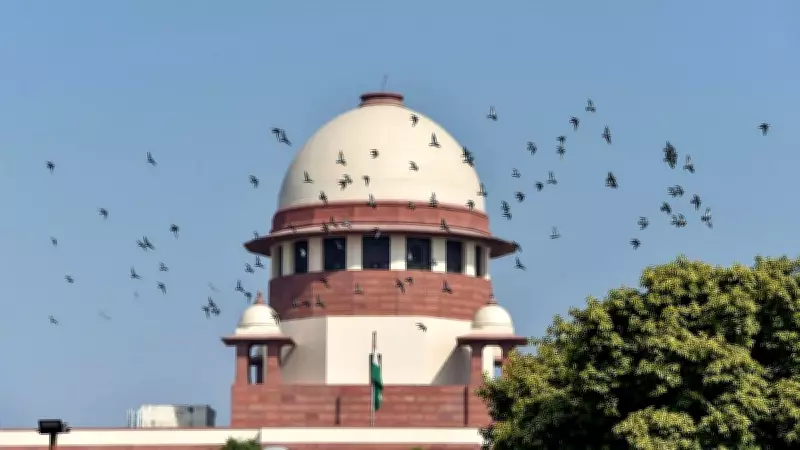
The Supreme Court of India has delivered a significant judgment, stating that conflict-of-interest rules in Panchayat cases must be interpreted broadly. The ruling aims to enhance transparency and accountability in local self-governance bodies across the country.
Background of the Case
The judgment came in response to a petition challenging the appointment of a Panchayat official who had familial ties with a local contractor. The petitioner argued that such connections violated conflict-of-interest norms, undermining the integrity of Panchayat decisions.
Court's Observations
A bench of Justices observed that conflict-of-interest rules should not be narrowly construed. The court emphasized that even the appearance of a conflict can erode public trust in Panchayat institutions. It stated that any direct or indirect interest, whether financial or otherwise, that could influence decision-making must be disclosed and addressed.

The Supreme Court further noted that Panchayats are the bedrock of grassroots democracy, and any compromise on their fairness can have far-reaching consequences. The ruling directs all state governments to ensure strict compliance with conflict-of-interest provisions in Panchayat laws.
Implications for Local Governance
Legal experts believe this judgment will have a profound impact on how Panchayats function. It is expected to deter nepotism and corruption at the local level. The court also called for regular training of Panchayat members on ethical standards and transparency.
Reactions from Political Parties
The Congress party welcomed the verdict, stating it aligns with their long-standing demand for cleaner governance. The BJP also expressed support, highlighting their commitment to transparency in Panchayati Raj institutions. Other regional parties have indicated they will review existing laws to comply with the Supreme Court's directive.
The ruling is seen as a step towards strengthening democratic processes in rural India, where Panchayats play a crucial role in resource allocation and development projects.