

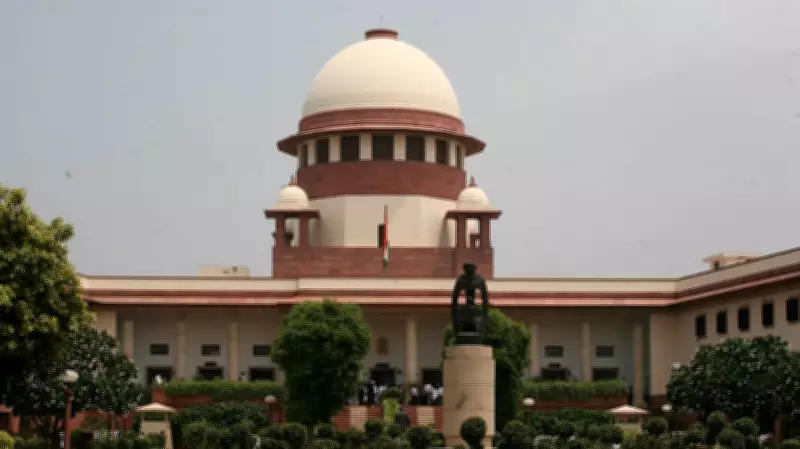
Supreme Court Acknowledges Complexity in Adjudicating Mass Religious Beliefs
The Supreme Court of India has made a profound observation, stating that one of the most difficult tasks for the judiciary is to declare the deeply held beliefs of millions of people as wrong. This remark came during a hearing where the court is grappling with significant constitutional and religious questions.
Bench Examines PIL Jurisdiction in Religious Matters
One of the key questions framed by the bench revolves around the legitimacy of Public Interest Litigation (PIL) in challenging religious practices. Specifically, the court is examining whether an individual who does not belong to a particular religious denomination or group has the legal standing to question that group's practices through a PIL.
This inquiry touches upon fundamental issues of religious freedom, judicial intervention, and the rights of communities to govern their internal affairs. The Supreme Court's deliberation highlights the delicate balance between individual rights and collective religious autonomy.

Context and Implications of the Judicial Scrutiny
The court's statement underscores the immense responsibility and sensitivity required when the judiciary intervenes in matters of faith that affect vast populations. Declaring a widely accepted religious practice as invalid can have far-reaching social, cultural, and political consequences.
The bench's focus on PIL jurisdiction is particularly significant. It raises questions about who can bring such cases to court and under what circumstances. This examination could set important precedents for future litigation involving religious practices across India.
Broader Legal and Social Considerations
This judicial process occurs against a backdrop of ongoing debates about religious reform, gender equality, and constitutional rights. The Supreme Court's careful approach reflects an awareness of these complex intersecting factors.
The court's acknowledgment of the difficulty in this task demonstrates judicial humility and recognition of the profound impact such decisions can have on society. It suggests a thoughtful, measured approach to resolving these challenging legal questions.
As the Supreme Court continues its deliberations, legal experts and religious communities alike are watching closely. The outcome could influence how Indian courts handle similar cases involving religious practices and PIL mechanisms in the future.






