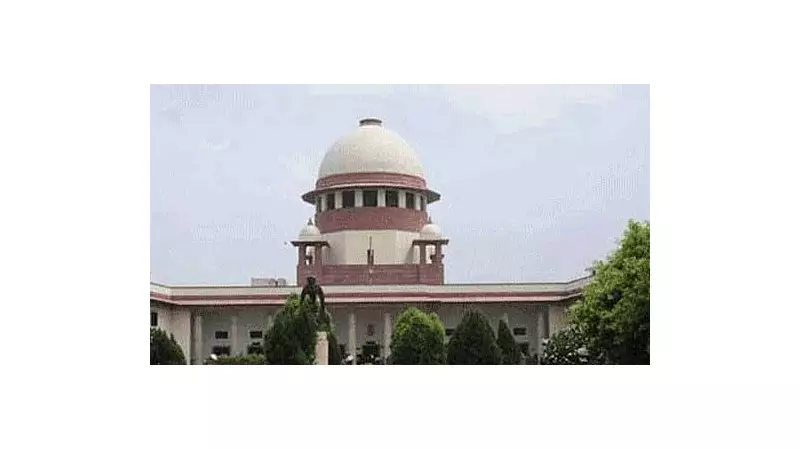
In a significant move to address delays in justice for survivors, the Supreme Court of India has issued a firm directive to all High Courts across the country. The apex court has asked them to submit comprehensive details of all pending acid attack cases within a strict timeframe of four weeks.
A Proactive Step for Expedited Justice
The order was passed by a bench comprising Justices Sanjiv Khanna and Dipankar Datta. This directive underscores the judiciary's growing concern over the prolonged pendency of these particularly heinous crimes. The bench was hearing a petition that highlighted the urgent need to monitor and fast-track the progress of acid attack cases languishing in various courts.
The Supreme Court's intervention is not an isolated event but part of a broader, ongoing effort. The court has been actively seeking data to understand the scale of the problem and to devise mechanisms for swifter adjudication. By collecting this centralized information from all High Courts, the top court aims to get a national picture of the backlog.
The Legal Framework and Its Enforcement
India has stringent laws against acid attacks, framed to deliver justice and provide support to victims. Key provisions are embedded in the Indian Penal Code (IPC) and the Code of Criminal Procedure (CrPC). Furthermore, the Supreme Court itself has laid down a series of guidelines in the 2013 Laxmi vs Union of India case. These guidelines cover aspects like regulation of acid sales, compensation for victims, and the conduct of trials.
Despite this robust legal architecture, the ground reality often involves agonizing delays in court proceedings. Survivors, who have already endured immense physical and psychological trauma, are frequently forced to wait for years to see their cases concluded. This new directive from the Supreme Court is a clear attempt to bridge the gap between the law on paper and its practical implementation in courts.
Implications and the Path Forward
The four-week deadline imposes a clear accountability on the High Courts to compile and present the data. The information sought is expected to include the number of cases pending at different stages, the duration for which they have been pending, and the reasons for any delays. This exercise will serve multiple critical purposes.
Firstly, it will provide the Supreme Court with concrete evidence of the systemic hurdles. Secondly, it is likely to lead to further specific orders or standard operating procedures to ensure these cases are prioritized. The ultimate goal is to create a framework where acid attack trials are concluded within a reasonable timeframe, bringing closure to survivors and reinforcing the deterrent effect of the law.
The Supreme Court's order is a powerful reminder of its role as a guardian of justice, especially for the most vulnerable. By mandating this data collection, the court is taking a data-driven approach to tackle judicial backlog in a specific and grievous category of crimes. The next four weeks will be crucial in gathering the evidence needed to catalyze faster justice for acid attack survivors across India.