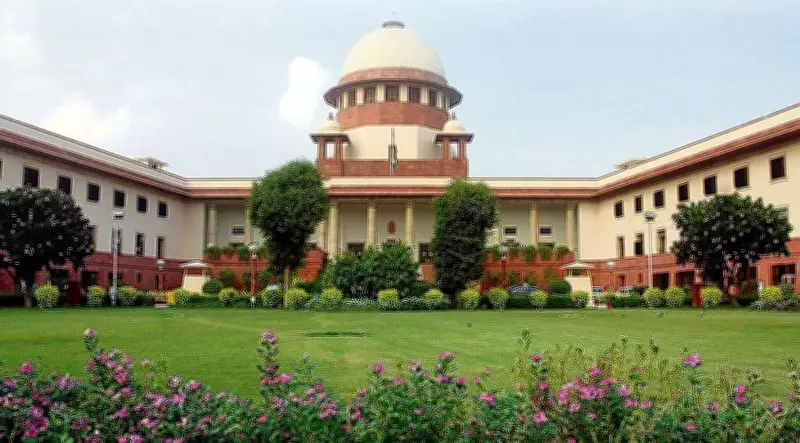
The Supreme Court of India has issued a stern directive to the Central Bureau of Investigation (CBI) and the Enforcement Directorate (ED), expressing clear displeasure over prolonged delays in ongoing probes. The apex court has mandated these agencies to ensure a fair, transparent, and impartial investigation into allegations involving companies associated with the Anil Dhirubhai Ambani Group.
Judicial Scrutiny Over Investigative Lags
During a recent hearing, the Supreme Court bench highlighted significant concerns regarding the pace and progress of investigations by the CBI and ED. The court pointed out that such delays not only undermine public confidence in the judicial and investigative processes but also potentially allow for the erosion of evidence and justice. The bench emphasized the necessity for these agencies to expedite their procedures while maintaining the highest standards of fairness and objectivity.
Focus on Anil Dhirubhai Ambani Group Entities
The investigations in question pertain to various allegations against firms under the Anil Dhirubhai Ambani Group, a prominent conglomerate with interests in sectors such as telecommunications, power, and infrastructure. While specific details of the allegations were not fully disclosed in the court proceedings, sources indicate they involve financial and regulatory matters that have been under scrutiny for some time.
The Supreme Court's intervention comes amid growing public and media attention on high-profile corporate cases, where delays can often lead to perceptions of bias or inefficiency. By directing the CBI and ED to conduct a fair probe, the court aims to reinforce the principles of accountability and due process in India's legal framework.
Implications for Corporate Governance and Law Enforcement
This development holds significant implications for corporate governance and law enforcement in India. It underscores the judiciary's role in overseeing investigative agencies to prevent any lapses that could compromise the integrity of probes into influential business entities. The directive serves as a reminder that all investigations, regardless of the stature of those involved, must adhere to strict timelines and ethical standards.
Legal experts have noted that the Supreme Court's stance could set a precedent for future cases involving delays in high-stakes investigations. It may prompt other courts to take a more proactive approach in monitoring the progress of such probes, ensuring that justice is not only done but seen to be done in a timely manner.
Response from Agencies and Stakeholders
Following the court's orders, both the CBI and ED are expected to review their investigative strategies and allocate additional resources to expedite the probe against the Anil Dhirubhai Ambani Group companies. These agencies have previously faced criticism for slow progress in complex financial cases, and this directive may lead to internal reforms aimed at enhancing efficiency.
Stakeholders, including investors and industry observers, are closely watching this case, as its outcome could impact market perceptions and regulatory practices. The Anil Dhirubhai Ambani Group has yet to issue a detailed public statement, but it is anticipated that they will cooperate fully with the investigations as per legal requirements.
In conclusion, the Supreme Court's firm directive to the CBI and ED marks a critical juncture in ensuring that investigations into corporate allegations are conducted with utmost fairness and without undue delay. This move reinforces the judiciary's commitment to upholding the rule of law and fostering a transparent business environment in India.