

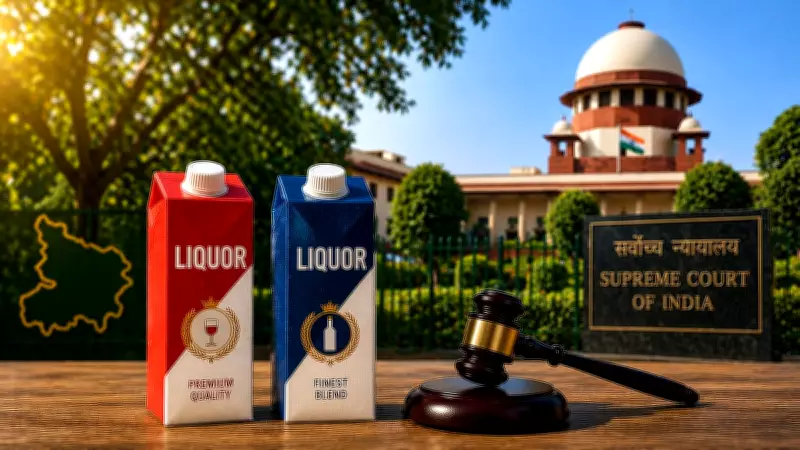
Supreme Court Dismisses PIL Against Liquor Tetra Packs in Uttar Pradesh
The Supreme Court of India has dismissed a Public Interest Litigation (PIL) that challenged the sale of liquor in tetra packs within the state of Uttar Pradesh. In a significant ruling, the apex court advised the petitioner to first approach the relevant state authorities before seeking judicial intervention. This decision underscores the court's stance on exhausting administrative remedies prior to legal recourse in matters of state policy.
Background of the Case and Petitioner's Concerns
The PIL was filed amid concerns regarding the potential health and social implications of selling alcoholic beverages in tetra pack containers. Critics argue that such packaging could make liquor more accessible and appealing, particularly to younger demographics, thereby exacerbating public health issues related to alcohol consumption. The petitioner sought the court's intervention to halt this practice, citing potential violations of public welfare principles.
However, the Supreme Court emphasized that such matters should initially be addressed through the proper administrative channels. The bench highlighted that state authorities are better equipped to evaluate and regulate excise policies based on local conditions and public interest. This directive aligns with legal principles that encourage resolving disputes at the administrative level to prevent unnecessary judicial overload.

Uttar Pradesh's New Excise Policy and Key Reforms
This legal challenge comes at a time when Uttar Pradesh has recently approved a comprehensive new excise policy, introducing several transformative changes to the state's liquor regulation framework. Key provisions of this policy include:
- Introduction of an e-lottery system for the allocation of liquor shops, aimed at enhancing transparency and reducing corruption in the licensing process.
- Regulation of 'bhang' (cannabis) shops through similar mechanisms, reflecting a broader approach to controlled substance management.
- Potential expansion of packaging options, such as tetra packs, which are part of efforts to modernize the industry and possibly increase state revenue.
The policy is designed to streamline operations, boost government earnings from excise duties, and address public health concerns through regulated distribution. State officials argue that these reforms will create a more efficient and accountable system, though they have faced scrutiny from various stakeholders.
Implications and Future Steps for the Petitioner
With the Supreme Court's dismissal, the petitioner must now follow the court's advice and engage with Uttar Pradesh's excise authorities. This process may involve submitting formal complaints, participating in public consultations, or seeking reviews under the state's administrative procedures. The outcome could influence how similar cases are handled in other states, setting a precedent for balancing judicial oversight with state autonomy in excise matters.
Legal experts note that this ruling reinforces the importance of due process in policy challenges. It also highlights the ongoing debate over alcohol regulation in India, where states like Uttar Pradesh are experimenting with innovative approaches to manage consumption and revenue. As the petitioner pursues administrative routes, stakeholders will closely monitor developments, which could shape future excise policies and public interest litigation strategies across the country.






