

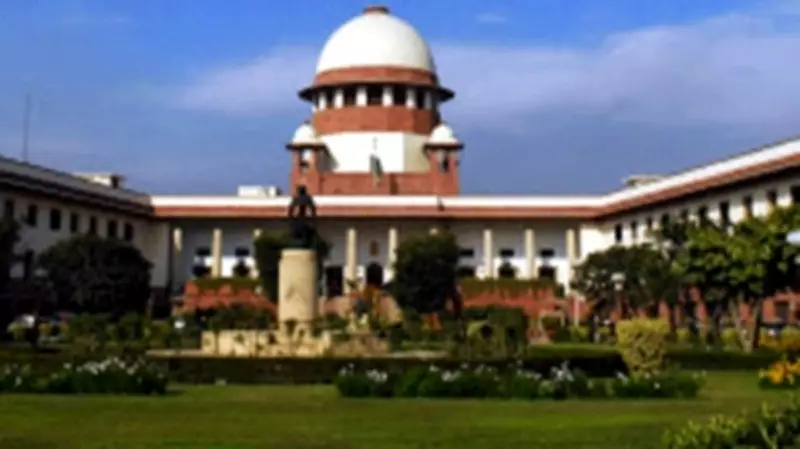
Supreme Court Declines Plea on Alleged Bhopal Land and Water Contamination
The Supreme Court of India has declined to entertain a plea that raised concerns about alleged contamination of land and water in the Bhopal region. The court's decision was based on findings from an oversight committee, which conducted extensive trial runs to assess environmental risks.
Oversight Committee Report Finds No Evidence of Leaching
During the proceedings, the court pointed out that the oversight committee's trial runs had reportedly shown no evidence of material leaching. This finding played a crucial role in the court's decision to dismiss the plea, as it indicated that the alleged contamination might not be substantiated by current data.
The oversight committee, tasked with monitoring environmental safety in the area, conducted these trial runs to evaluate potential hazards. Their report, which the court referenced, concluded that there was no significant leaching of harmful materials into the land or water sources, thereby addressing the core concerns raised in the plea.

Background and Implications of the Court's Ruling
The plea was filed in the context of ongoing environmental and health issues related to the Bhopal Gas Tragedy, a historical industrial disaster that has left lasting impacts on the region. Allegations of continued contamination have been a point of contention, with activists and residents expressing worries about long-term effects on soil and water quality.
By declining to entertain the plea, the Supreme Court has effectively upheld the oversight committee's findings, suggesting that current measures might be sufficient to manage environmental risks. However, this decision does not preclude future actions or investigations if new evidence emerges.
Key Points from the Court's Decision:
- The Supreme Court refused to hear the plea due to lack of evidence from the oversight committee's trial runs.
- Trial runs conducted by the committee showed no signs of material leaching, contradicting the allegations of contamination.
- This ruling may influence future environmental litigation and oversight mechanisms in similar cases across India.
The court's stance highlights the importance of empirical data in legal proceedings, especially in matters involving public health and environmental safety. It underscores the role of oversight bodies in providing factual bases for judicial decisions, ensuring that rulings are grounded in verified information rather than unsubstantiated claims.
As this case concludes, stakeholders, including environmental groups and local communities, may continue to monitor the situation, advocating for transparency and ongoing assessments to safeguard Bhopal's land and water resources.






