

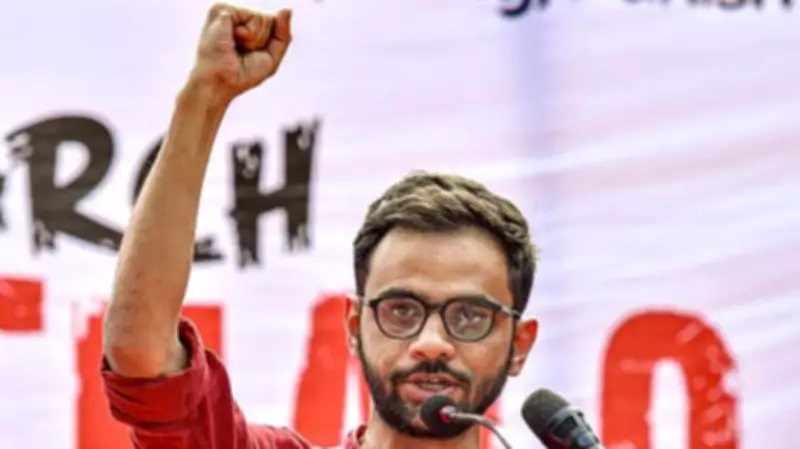
Supreme Court Dismisses Umar Khalid's Review Plea in 2020 Delhi Riots Bail Case
The Supreme Court of India has firmly dismissed a review petition filed by former JNU student leader Umar Khalid, challenging the court's earlier judgment that refused him bail in connection with the 2020 Delhi riots case. This decision marks a significant legal development, reinforcing the judiciary's stance on the matter and closing another chapter in the prolonged legal proceedings surrounding the communal violence that shook the national capital.
Background of the Case and Legal Proceedings
Umar Khalid has been embroiled in legal battles since his arrest in September 2020, accused of involvement in the large-scale riots that erupted in Delhi in February 2020, resulting in over 50 deaths and widespread property damage. The Delhi Police charged him under stringent laws, including the Unlawful Activities (Prevention) Act (UAPA), alleging conspiracy and incitement of violence. After multiple lower court hearings, Khalid's bail applications were repeatedly denied, leading him to approach the Supreme Court for relief.
In a previous ruling, the Supreme Court upheld the lower courts' decisions, refusing to grant bail to Khalid, citing the seriousness of the charges and the ongoing investigation. Dissatisfied with this outcome, Khalid filed a review petition, a legal recourse available under the Supreme Court's rules to seek reconsideration of a judgment based on apparent errors or grave injustices.

Supreme Court's Review Process and Decision
As per the established protocols of the Supreme Court, review petitions are handled in chambers by the same judges who delivered the original judgment or order. This process is designed to rectify any clear mistakes or address severe injustices that may have arisen from the court's decision, ensuring judicial integrity and fairness. In Khalid's case, the judges reviewed the petition thoroughly but found no grounds to overturn their earlier ruling.
The dismissal of the review plea underscores the court's confidence in its initial judgment, emphasizing that the evidence and legal arguments presented did not warrant a reversal. This outcome aligns with the broader judicial approach in cases involving serious allegations under laws like UAPA, where courts often exercise caution in granting bail to prevent potential interference with investigations.
Implications and Reactions
The Supreme Court's decision has significant implications for Umar Khalid and the legal landscape surrounding the Delhi riots cases. It means that Khalid will remain in judicial custody unless he pursues further legal avenues, such as filing a curative petition or awaiting trial proceedings to conclude. This development is likely to influence other similar cases, setting a precedent for how review petitions are adjudicated in high-profile matters involving national security and public order.
Reactions to the ruling have been mixed, with supporters of Khalid expressing disappointment and concerns over prolonged detention, while authorities and some sections of the public view it as a necessary step to uphold law and order. The case continues to be a focal point in discussions about justice, civil liberties, and the handling of riot-related prosecutions in India.
Conclusion and Future Outlook
With the Supreme Court dismissing Umar Khalid's review plea, the legal focus now shifts to the ongoing trial and any potential future appeals. This decision reaffirms the judiciary's role in balancing individual rights with societal interests in complex cases. As the Delhi riots cases progress through the courts, this ruling serves as a reminder of the rigorous legal standards applied in such matters, ensuring that justice is pursued diligently while maintaining procedural fairness.
In summary, the Supreme Court's rejection of the review petition solidifies its earlier stance, leaving Umar Khalid to navigate the next phases of the legal process as the nation watches closely for further developments in this high-stakes case.






