Supreme Court to Examine 'Right to Be Forgotten' in Online News Deletion Dispute
The Supreme Court of India has taken up a pivotal case to determine whether the 'right to be forgotten' (RTBF) can be invoked to delete or de-index past news reports from the internet. This legal examination follows a plea by IE Online Media Services Private Limited, the digital arm of The Indian Express, challenging a December 2025 Delhi High Court judgment. The case centers on a defamation suit filed by a banker who was discharged in a money laundering investigation, seeking the removal of three news articles uploaded on November 18, 2020; October 27, 2023; and August 19, 2024.
Background of the Case and Court Proceedings
The dispute originated when the banker, after being exonerated, pursued legal action to have the news reports taken down and de-indexed from search engines. These articles were based on public records, including Enforcement Directorate press releases and court proceedings, and were accurate at the time of publication. The Patiala House court granted an interim injunction in November 2025, ordering the removal of the URLs, citing that the digital permanence of the information could harm the plaintiff's reputation despite his discharge. The Delhi High Court upheld this order, emphasizing that media expression is not absolute and must balance with an individual's right to dignity under Article 21 of the Constitution.
Key Arguments and Legal Implications
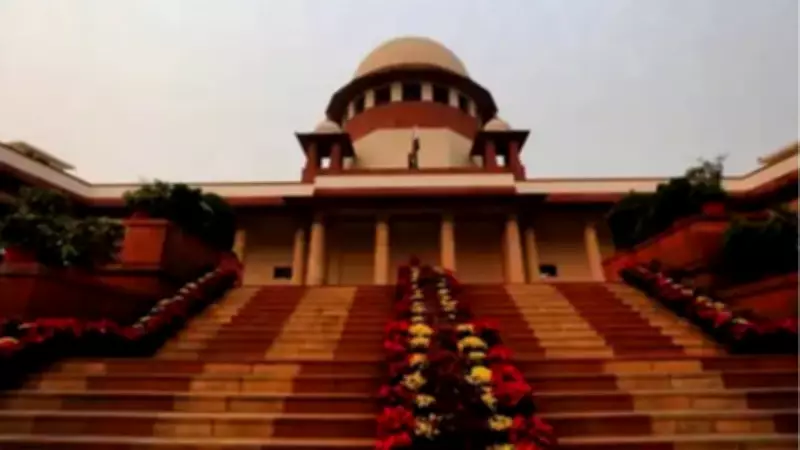
In response, the Supreme Court bench, comprising Justices B V Nagarathna and Ujjal Bhuyan, issued a notice and stayed the High Court's judgment, clarifying that it would not set a precedent. The petitioner argued that the order "sets a dangerous precedent" by potentially allowing anyone named in news reports to invoke the RTBF indiscriminately, regardless of the content's public interest. Senior Advocate Arvind Datar contended that the reports were factual and based on public records, and a subsequent discharge does not render earlier reporting defamatory. The plea further warned that upholding such deletions could "conceal by erasure matters of public record" and distort historical accuracy, while chilling press freedom.

Broader Impact on Press Freedom and Privacy Rights
This case highlights a critical tension between the right to privacy, as part of the RTBF under Article 21, and the freedom of the press. The Supreme Court's decision, scheduled for a hearing on March 16, 2026, will have far-reaching implications for how online news archives are managed in India. It raises essential questions about whether individuals can erase accurate historical information from the digital sphere and how media organizations can uphold their role in reporting matters of public interest without facing undue legal pressures. The outcome could shape future policies on digital content removal and the balance between personal reputation and journalistic integrity.