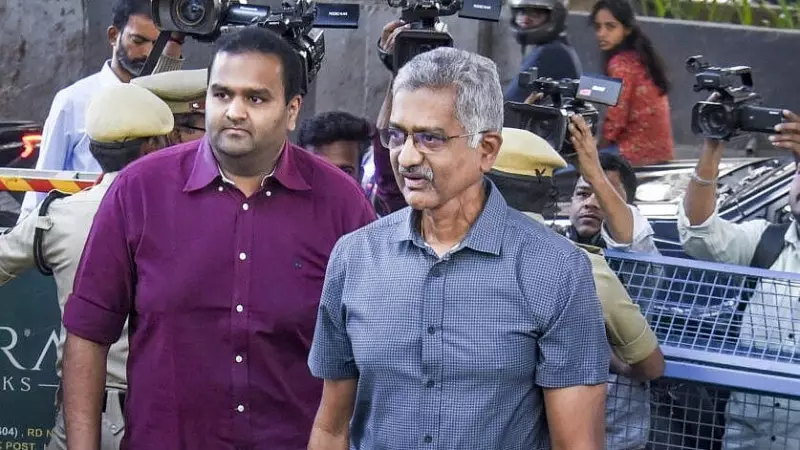
The Supreme Court of India has delivered a significant ruling in the high-profile Telangana phone tapping investigation, extending the police custody of the state's former intelligence chief. The court also declined to relax the hours of interrogation, making a notable observation about the accused's capacity to endure the process.
Court's Firm Stance on Custody and Questioning
In a hearing on 19 December 2025, the apex court decided against granting any relief concerning the duration of police remand. The bench, while considering the plea, pointedly remarked that the accused, given his senior position and experience, is a "seasoned person" and can withstand the extended hours of questioning. This observation underscores the court's view of the individual's familiarity with police and investigative procedures, given his former role as the head of the state's intelligence apparatus.
Details of the Case and the Accused
The case revolves around allegations of unauthorized phone tapping and surveillance of various individuals, including political figures and activists, during the previous administration in Telangana. The former intelligence chief, whose name has been central to the probe, was arrested by the Special Investigation Team (SIT) constituted to look into the matter. The Supreme Court's order to extend custody indicates the investigative agencies require more time to unravel the complexities of the case, gather evidence, and question the official about the alleged chain of command and motives behind the surveillance.
The decision highlights the serious nature of the charges, which strike at the heart of privacy and the potential misuse of state machinery. Investigators are likely focusing on recovering digital evidence, understanding the technical methods used, and identifying all potential victims of the alleged illegal interception.
Implications and Next Steps
This ruling by the Supreme Court is a major development that allows the investigation to proceed without interruption. It signals the judiciary's support for a thorough and unimpeded probe into the serious allegations of power abuse. The extension of police custody is a critical phase where investigators can conduct intense questioning, often crucial for breakthroughs in complex cases involving digital evidence and official secrecy.
The case, reported by Ashish Tripathi, continues to draw significant public and media attention, reflecting widespread concern over privacy rights and the ethical use of surveillance powers. As the legal process unfolds, all eyes will be on the SIT's findings and the subsequent charges that may be filed. The court's firm stance sets a precedent for handling cases where high-ranking officials are accused of overstepping their legal authority.