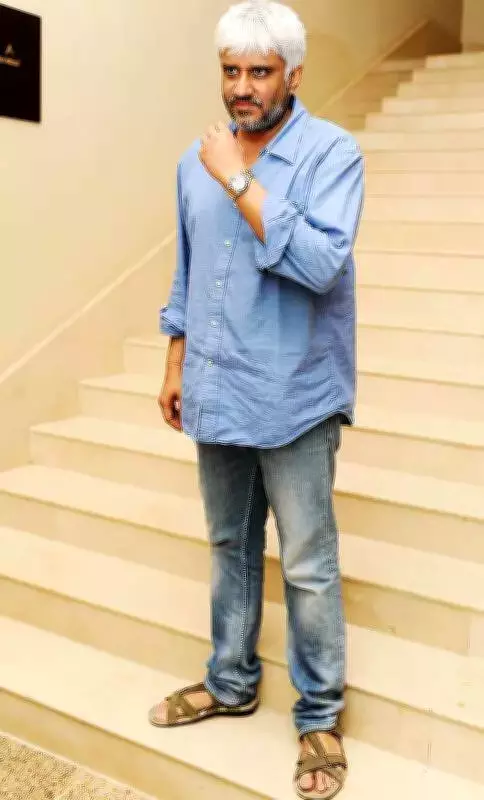
Supreme Court Grants Bail to Filmmaker Vikram Bhatt and Wife in Rs 44.7 Crore Financial Case
In a significant development, the Supreme Court of India on Wednesday granted bail to prominent filmmaker Vikram Bhatt and his wife, Shwetambari Bhatt, in a high-profile criminal case involving alleged financial irregularities amounting to approximately Rs 44.7 crore. The decision comes after the couple was arrested in Mumbai by Udaipur police in December last year, with their bail plea previously dismissed by the Rajasthan High Court's Jodhpur Bench on January 31.
Bench Composition and Legal Proceedings
A three-judge Bench, comprising Chief Justice of India Justice Surya Kant, Justice Joymalya Bagchi, and Justice Vipul M Pancholi, passed the order while hearing a special leave petition against the Rajasthan High Court's rejection of bail. The case originated from an FIR registered at Bhupalpura Police Station in Udaipur, accusing the couple of offences including cheating, forgery, and diversion of funds related to film production agreements executed through Limited Liability Partnership (LLP) entities for proposed film projects.
Prosecution Claims and Settlement Efforts
The prosecution asserted that the dispute involved financial transactions totaling Rs 44.7 crore. During the hearing, the Supreme Court recorded the statement of the complainant, who expressed a willingness to explore an amicable settlement. Senior Advocate Vikas Singh, representing the complainant, submitted that there was no objection to releasing the accused on bail to facilitate settlement talks. This marked a shift from earlier positions, as the complainant had previously indicated no objection only to interim bail for Shwetambari Bhatt.
Defense Arguments and State Opposition
Senior Advocate Siddharth Dave, appearing for the petitioner-accused, informed the court that both sides were keen to resolve their disputes. He further submitted that after Shwetambari Bhatt was released on interim bail earlier, the complainant communicated via email seeking completion of contractual obligations related to film production. However, Additional Advocate General Shiv Mangal Sharma, representing the government of Rajasthan, opposed the bail plea, arguing that the investigation was at a crucial stage and that witnesses based in Mumbai might be influenced if bail was granted.
Court's Observations and Mediation Referral
Rejecting the State's objections, the Bench observed that since both parties had expressed a clear intent to settle, they should be permitted to pursue mediation. Consequently, the matter was referred to the Supreme Court Mediation Centre. The court clarified that no stay was granted on the ongoing investigation, allowing the investigating agency to proceed independently in accordance with the law while the parties attempt an amicable resolution through mediation.
Implications and Next Steps
This ruling highlights the judiciary's emphasis on alternative dispute resolution in complex financial cases. The criminal probe will continue unabated, ensuring that legal processes are not hindered. The case underscores the intricate nature of film industry finances and the potential for mediation to resolve high-stakes disputes, setting a precedent for similar matters in the future.