

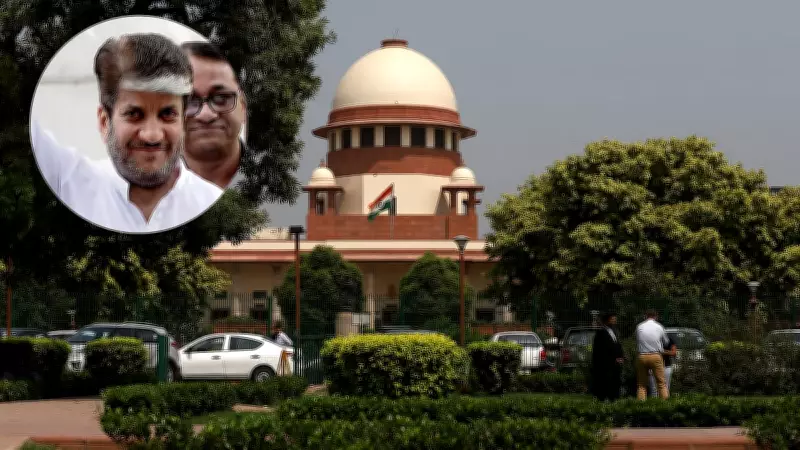
Supreme Court Grants Bail to Kashmiri Separatist Leader Shabir Ahmed Shah in Terror Funding Case
In a significant legal development, the Supreme Court of India has granted bail to Kashmiri separatist leader Shabir Ahmed Shah in a high-profile terror funding case. The decision, delivered on March 12, 2026, marks a pivotal moment in a long-standing legal battle that has drawn national attention.
Bench Highlights Anomalies in Trial and Prolonged Incarceration
During the hearing, the Supreme Court bench meticulously examined the proceedings and pointed out several anomalies in the trial process. The judges flagged concerns regarding the fairness and procedural integrity of the case, which contributed to their decision to grant bail.
The bench emphasized the long incarceration of Shabir Shah, noting that his extended detention without a conclusive trial outcome raised serious questions about justice and human rights. This aspect played a crucial role in the court's ruling, underscoring the importance of timely legal processes in such sensitive matters.

Background of the Case and Its Implications
Shabir Ahmed Shah, a prominent figure in Kashmiri separatist politics, has been embroiled in legal troubles related to terror funding allegations for several years. The case is part of broader investigations into funding networks allegedly supporting separatist activities in the Kashmir region.
The Supreme Court's decision to grant bail is expected to have far-reaching implications, not only for Shah personally but also for the legal landscape surrounding terror-related cases in India. It highlights the judiciary's role in balancing national security concerns with individual rights and due process.
Reactions and Future Proceedings
Legal experts and observers have noted that this ruling could set a precedent for similar cases, where prolonged detention without trial is challenged. The bail grant allows Shah to await further legal proceedings outside of custody, pending the continuation of the trial.
The Supreme Court has directed that the trial proceed expeditiously, ensuring that all anomalies are addressed and justice is served without undue delay. This move aims to uphold the principles of a fair trial while maintaining the integrity of the legal system.
As the case unfolds, it will continue to be closely watched by stakeholders across the political and legal spectrums, reflecting the complex interplay between security, sovereignty, and civil liberties in contemporary India.






