

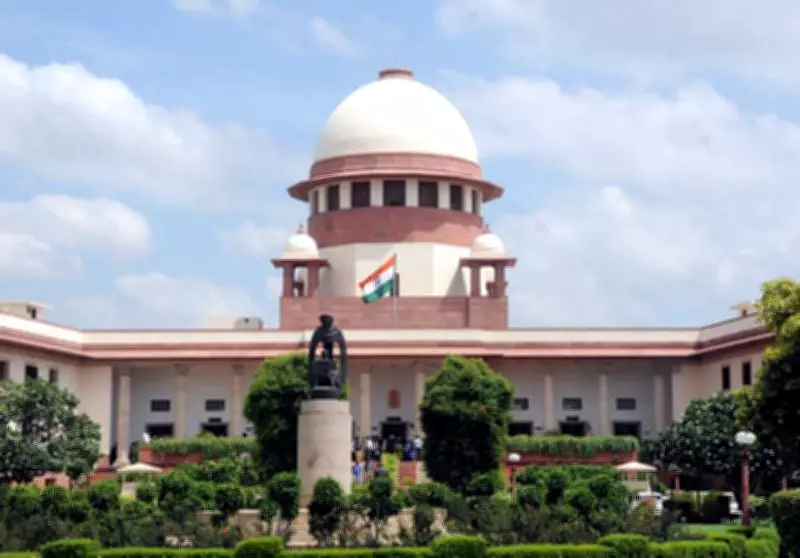
Supreme Court Considers Passive Euthanasia Plea, Moved by Family's Unwavering Dedication
The Supreme Court of India is currently deliberating on a significant plea concerning passive euthanasia, a case that has been profoundly influenced by the steadfast commitment and unyielding support of Harish Rana's parents and siblings. This legal proceeding underscores the complex ethical and medical dilemmas surrounding end-of-life decisions in the country, bringing to light the personal struggles that often drive such landmark petitions.
Background of the Case and Family's Role
Harish Rana, whose condition has sparked this legal debate, is at the center of a heart-wrenching narrative. His family, including his parents and siblings, have demonstrated remarkable resilience and dedication in advocating for his rights and well-being. Their unwavering efforts have not only provided emotional and physical support but have also propelled this case to the highest judicial forum, emphasizing the human element behind legal battles over euthanasia.
The plea before the Supreme Court seeks clarity and legal sanction for passive euthanasia, which involves withholding or withdrawing life-sustaining treatment for patients in irreversible conditions. This move is seen as a critical step in addressing gaps in India's medical and legal frameworks, where such issues often remain contentious and poorly defined.

Legal and Ethical Implications
Passive euthanasia raises profound questions about patient autonomy, medical ethics, and the role of the state in end-of-life care. In India, the legal landscape has been evolving, with previous judgments providing some guidance but leaving many aspects unresolved. The current plea aims to build on this foundation, advocating for a more structured and compassionate approach to cases like Harish Rana's.
Experts argue that allowing passive euthanasia under strict safeguards could prevent unnecessary suffering and respect the dignity of patients. However, opponents caution against potential misuse and the erosion of the sanctity of life. The Supreme Court's consideration of this plea is thus pivotal, as it could set precedents affecting countless individuals and families across the nation.
Family's Advocacy and Public Response
The dedication of Harish Rana's family has garnered widespread attention and sympathy, highlighting the personal toll of such medical and legal challenges. Their story has resonated with many, sparking public discourse on the need for more humane policies regarding terminal illnesses and end-of-life care.
As the Supreme Court continues its deliberations, the outcome of this case is eagerly awaited by medical professionals, legal experts, and the general public. It represents not just a legal milestone but a testament to the power of familial love and perseverance in the face of adversity.






