

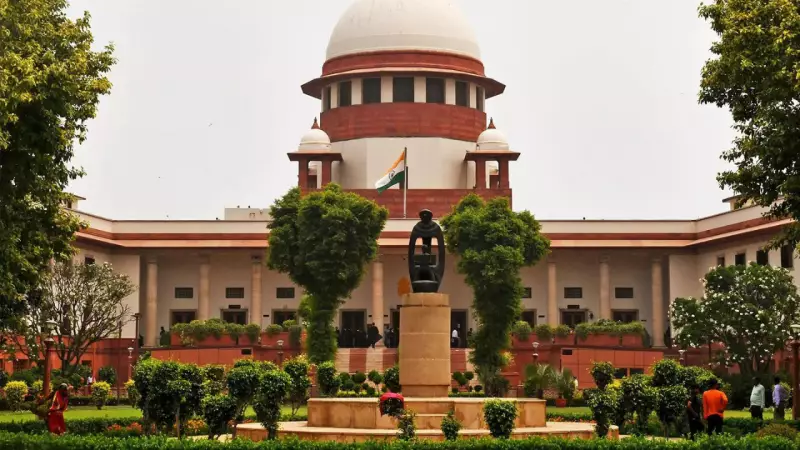
In a powerful demonstration of judicial responsiveness, the Supreme Court of India moved swiftly to assist a distressed young advocate from Bulandshahr, highlighting the constitutional promise of justice for the common citizen. The incident starkly contrasted with the frequent use of constitutional remedies by the powerful, as the court prioritized the tearful plea of a woman battling her paternal uncle for her share in ancestral property.
A Desperate Plea Before the Bench
On a Thursday afternoon, proceedings before a three-judge bench led by Chief Justice of India Surya Kant were interrupted by an incoherent young woman. The CJI calmly urged her to compose herself and explain her grievances in Hindi. Through tears, she narrated a harrowing tale of persecution by her father's younger brother.
Her father had passed away in 2002, and since then, her uncle had been relentlessly trying to deprive her and her widowed mother of their rightful share in the family property. The situation escalated when the Bulandshahr police, allegedly colluding with her wealthy uncle, issued a bailable warrant against her in a false case accusing her of throwing acid on her uncle and his family.

Immediate Judicial Intervention and Relief
Moved by her plight, CJI Kant took immediate action. He directed the Supreme Court Legal Services Committee to assign a competent lawyer to help her draft a petition overnight, ordering it to be listed for hearing the very next day, Friday.
Her advocate, Dushyant Parashar, informed the court that both the woman and her mother had been arrested earlier and spent a month in jail before local lawyers secured their bail. Despite pleas for protection to the local Station House Officer (SHO) and the Bulandshahr Superintendent of Police, no help was provided, and she had even suffered an abduction.
The bench, which also included Justices Joymalya Bagchi and Vipul M. Pancholi, issued a series of protective orders:
- Directed the local SHO and Bulandshahr SP to ensure the safety of the woman and her mother, providing security if needed.
- Ordered the Uttar Pradesh police not to register any new FIR or take coercive action against the duo without prior permission from the Supreme Court.
- Restrained the uncle and his family from alienating the ancestral property.
- Asked the Bulandshahr SP to investigate the family dispute's origins and file a report.
The Heart and Soul of the Constitution
When asked about his motivation to entertain an oral plea, CJI Surya Kant told the Times of India, "Poor have the first right over judicial time, and the courts must listen to their grievances on priority. Article 32 is meant to help mitigate the woes of the poor." He affirmed that the case embodied Dr. B.R. Ambedkar's description of Article 32 as the "heart and soul of the Constitution."
Before concluding, the Chief Justice offered words of encouragement to the young advocate, advising her that "Patience and perseverance is key to success in the legal profession." The court's prompt action serves as a potent reminder of its role as the ultimate guardian of fundamental rights for India's most vulnerable citizens.






