

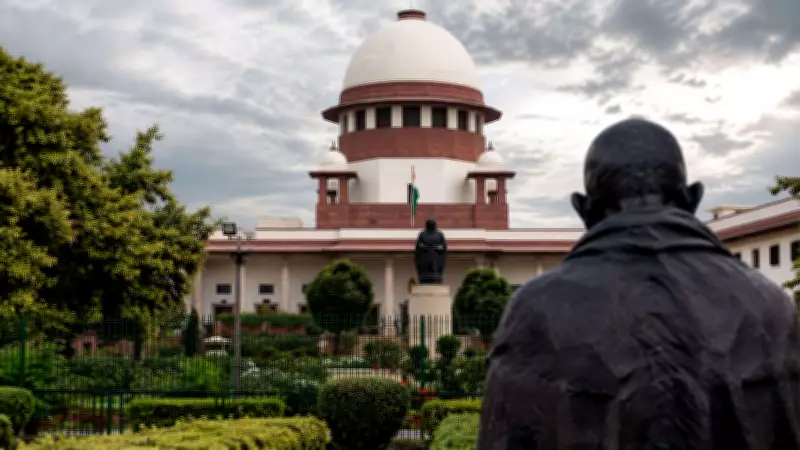
The Supreme Court has invoked its extraordinary powers under Article 142 of the Constitution to issue binding directions to all High Courts across the country, aiming to significantly reduce delays in the pronouncement of judgments. A bench led by Chief Justice Surya Kant issued a series of directives that are set to streamline judicial processes and enhance accountability.
Key Directives Issued by the Supreme Court
The apex court ordered that all reserved judgments must be delivered within a period of three months from the date of reservation. Additionally, bail orders are to be pronounced on the same day or, at the latest, by the next day. These measures are intended to prevent unnecessary prolongation of legal proceedings and ensure timely justice for litigants.
Online Upload and Communication of Orders
In a move to promote transparency and accessibility, the Supreme Court directed that all judgments and orders must be uploaded on the respective High Court websites within 24 hours of pronouncement. Furthermore, bail orders must be communicated immediately to the concerned authorities to expedite the release of individuals granted bail.

Background of the Case
The ruling came during the hearing of a case that highlighted significant delays in the pronouncement and uploading of judgments in the Jharkhand High Court. The Supreme Court took suo motu cognizance of the issue and expanded its scope to cover all High Courts, invoking Article 142 to ensure uniformity and compliance across the country.
Article 142 of the Indian Constitution empowers the Supreme Court to pass any order necessary to do complete justice in any cause or matter pending before it. By invoking this provision, the Court has effectively created a binding framework for all High Courts to follow, addressing a long-standing concern about judicial delays.
Impact on the Judicial System
Legal experts have welcomed the move, stating that it will bring much-needed discipline to the judicial process. The three-month timeline for judgment delivery is expected to reduce the backlog of cases and instill confidence among litigants. The immediate communication of bail orders will also prevent unnecessary detention of individuals whose right to bail has been recognized.
However, some have raised concerns about the feasibility of these deadlines given the heavy workload of many High Courts. The Supreme Court has left it to the Chief Justices of the High Courts to ensure compliance, with the possibility of further directions if delays persist.
This landmark decision underscores the Supreme Court's commitment to upholding the fundamental right to speedy justice under Article 21 of the Constitution. It serves as a reminder of the judiciary's proactive role in reforming its own processes to better serve the public.






