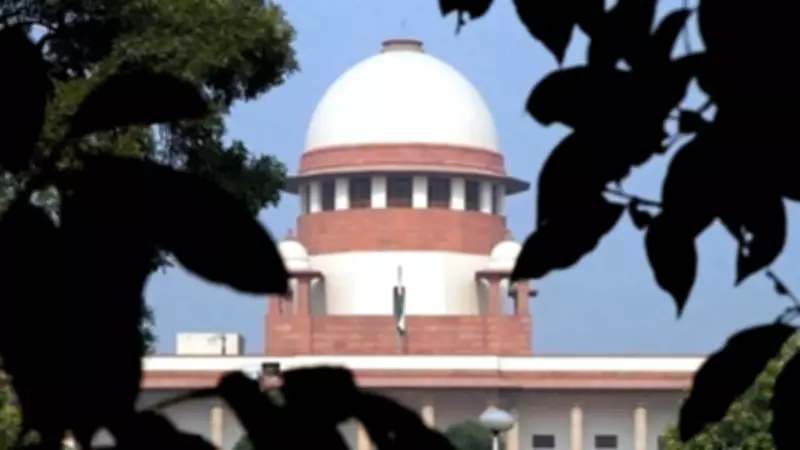
The Supreme Court of India has taken a significant step in addressing concerns over religious conversion regulations by issuing formal notices to the Central government and twelve state governments. This action comes in response to a Public Interest Litigation (PIL) filed by a prominent Christian organization that challenges the constitutional validity of various anti-conversion laws enacted across several states.
Legal Scrutiny of State-Level Conversion Regulations
On January 6, 2021, the apex court agreed to examine the legal framework surrounding new and controversial legislation implemented by states including Uttar Pradesh and Uttarakhand. These laws specifically regulate religious conversions that occur in connection with interfaith marriages, creating a complex intersection of personal law, constitutional rights, and state authority.
Broad Implications for Religious Freedom and State Power
The Supreme Court's decision to issue notices represents a crucial development in the ongoing national debate about the balance between religious freedom and state regulation. The Christian body's PIL argues that these anti-conversion laws infringe upon fundamental rights guaranteed by the Indian Constitution, particularly those concerning freedom of religion and the right to privacy in personal matters.

The states receiving notices include those that have implemented or proposed similar legislation, creating a patchwork of regulations across the country. Legal experts suggest this case could establish important precedents regarding:
- The extent of state authority to regulate religious conversions
- Constitutional protections for interfaith couples
- The intersection of personal law and criminal legislation
- Judicial oversight of state-level religious regulations
Historical Context and Contemporary Relevance
This legal challenge emerges against a backdrop of increasing legislative activity at the state level regarding religious conversions. The laws in question typically require individuals to notify government authorities before converting religions and impose penalties for conversions deemed to involve force, fraud, or inducement. Proponents argue these measures prevent coerced conversions, while critics contend they disproportionately target religious minorities and interfere with personal choice.
The Supreme Court's examination will likely consider both the specific provisions of state laws and broader questions about federalism, as religious matters fall under the concurrent list of the Constitution, allowing both central and state governments to legislate on the subject.
As the legal proceedings advance, this case promises to shape the landscape of religious freedom in India for years to come, with implications extending beyond the immediate parties to affect millions of citizens across religious communities.