Supreme Court Mandates Free Sanitary Pads for Girls in Schools, Declares Menstrual Health a Fundamental Right
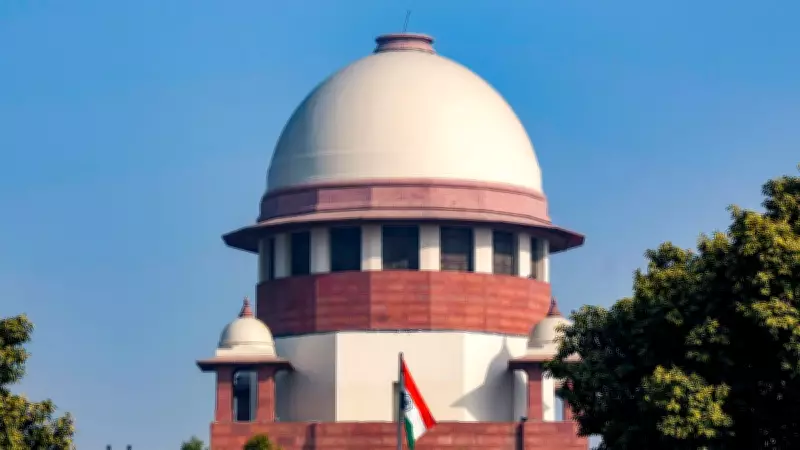
In a historic and transformative ruling, the Supreme Court of India has issued a landmark judgment mandating the provision of free sanitary pads for all girls in educational institutions across the country. This groundbreaking decision, delivered on January 30, 2026, firmly establishes menstrual health as an integral and non-negotiable component of the fundamental right to life guaranteed under Article 21 of the Indian Constitution.
A Landmark Ruling for Gender Equality and Public Health
The apex court's verdict represents a monumental step forward in addressing long-standing issues of menstrual hygiene management and gender-based discrimination in India. By explicitly linking menstrual health to the constitutional right to life, the judiciary has provided a robust legal framework to combat the stigma, taboos, and socio-economic barriers that have historically plagued menstruating individuals, particularly young girls in school settings.
The court emphasized that access to safe and hygienic menstrual products is not merely a matter of convenience but a critical aspect of dignity, health, and educational equity. This ruling is expected to have far-reaching implications, potentially impacting millions of schoolgirls who have faced challenges such as absenteeism, dropout rates, and health complications due to the lack of affordable and accessible sanitary protection.

Key Directives and Implementation Framework
The Supreme Court's judgment outlines several key directives aimed at ensuring effective implementation of this mandate:
- Universal Provision: All government and government-aided schools must provide free sanitary pads to female students without any discrimination or means-testing.
- Quality Standards: The sanitary pads distributed must meet specified quality and safety standards to prevent health risks and ensure user comfort.
- Awareness and Education: Schools are required to integrate comprehensive menstrual health education into their curricula, promoting awareness, hygiene practices, and destigmatization.
- Infrastructure Development: Educational institutions must ensure the availability of adequate sanitation facilities, including clean toilets, water supply, and disposal mechanisms for menstrual waste.
- Monitoring Mechanism: The court has directed the formation of a monitoring committee at the national and state levels to oversee compliance, address grievances, and evaluate the impact of this initiative.
Broader Implications for Public Policy and Social Change
This judgment is poised to catalyze significant changes in public policy, healthcare, and social attitudes towards menstruation in India. By recognizing menstrual health as a constitutional right, the Supreme Court has set a powerful precedent that could influence future legislation, budget allocations, and welfare schemes aimed at women and girls.
Experts and activists have hailed this ruling as a critical milestone in the ongoing struggle for gender justice and reproductive rights. It aligns with global efforts to promote menstrual equity and challenges deep-seated cultural norms that have often marginalized menstruating individuals. The decision also underscores the judiciary's role in advancing socio-economic rights and filling gaps where legislative or executive action has been insufficient.
As India moves towards implementing this mandate, the focus will now shift to logistical challenges, funding mechanisms, and community engagement to ensure that the promise of this judgment translates into tangible improvements in the lives of schoolgirls nationwide. This ruling not only addresses immediate practical needs but also reaffirms the nation's commitment to building a more inclusive, equitable, and healthy society for all its citizens.