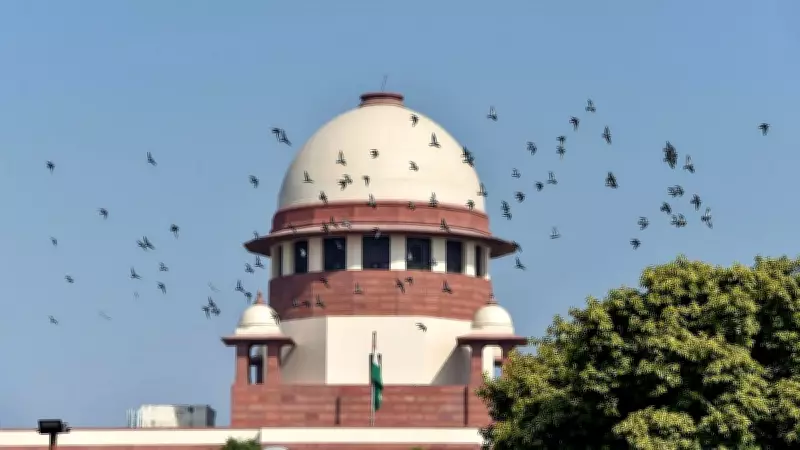
The Supreme Court on Tuesday indicated that it may consider granting relief to two individuals accused in the 2020 Delhi riots, who have been incarcerated for more than four years. The bench, comprising Justices Abhay S Oka and Ujjal Bhuyan, observed that the prolonged detention without trial could be a ground for bail.
Details of the Case
The two accused, identified as Mohd. Saleem and Shahnawaz, were arrested in connection with the communal violence that erupted in northeast Delhi in February 2020. They have been in judicial custody since their arrest and have not yet been tried. Their counsel argued that the investigation is complete and the trial has not commenced, leading to an indefinite period of incarceration.
Court's Observations
The bench noted that the right to a speedy trial is a fundamental right under Article 21 of the Constitution. The court remarked, "Most probably, we will consider granting relief to the accused," and listed the matter for further hearing next week. The court also sought responses from the Delhi Police and the state government regarding the status of the trial.

The Supreme Court's likely intervention comes amid concerns over the slow pace of justice in the Delhi riots cases. Over 700 people were arrested in connection with the violence, which resulted in 53 deaths and hundreds of injuries. Many accused have been denied bail by lower courts, citing the gravity of the offenses.
Legal Precedents
The court referenced previous judgments that emphasize the importance of bail over jail, especially when the accused have been in custody for a substantial period without trial. The bench stated that the principle of "bail is the rule, jail is the exception" applies in this case.
Next Steps
The court will hear the matter again on July 25, 2024, and is expected to pass an order on the bail applications. The accused have sought bail on the grounds of parity, as some co-accused have already been granted bail by the High Court.
The case has drawn significant attention, with civil rights groups and legal experts calling for a fair and speedy trial. The Supreme Court's decision could set a precedent for other similar cases pending in the lower courts.