The Supreme Court of India made a striking observation about the nation's priorities regarding animal welfare, highlighting the immense public engagement with the issue of stray dogs. The bench, hearing a matter related to stray canines, pointed out that the volume of applications and concern shown in such cases often surpasses that seen in many human-centric legal matters.
Bench's Remark During Hearing
A two-judge bench comprising Justice Vikram Nath and Justice Sandeep Mehta made these comments on 06 January 2026. The observation came when two lawyers mentioned the ongoing stray dogs matter before the court for urgent listing. The justices noted the sheer number of applications and interventions being filed by various parties in this animal-related litigation.
The court's remark, "So many applications don't even come in cases of humans," underscores a significant societal trend. It reflects a growing legal and civic activism focused on animal rights and welfare in India. The bench acknowledged this heightened level of public interest and participation, which is translating into substantial legal paperwork and appeals before the highest court.
Context of the Stray Dogs Matter
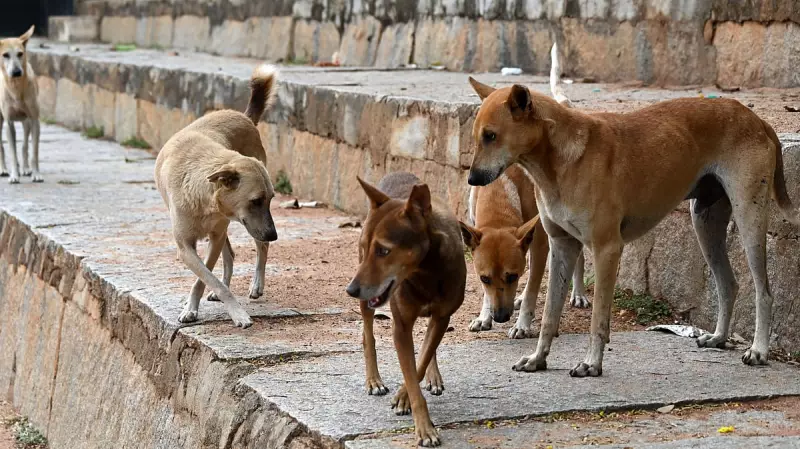
The specific case before the Supreme Court pertains to the complex and often contentious issue of stray dog management across Indian cities and towns. This matter involves balancing animal welfare, public safety, and municipal responsibilities. Various animal rights groups, resident welfare associations, and civic bodies are typically parties to such litigation, leading to a multitude of petitions and applications.
The observation by Justices Nath and Mehta is not an isolated comment but points to a broader pattern. It indicates that citizen-driven legal action for the protection of stray animals has gained remarkable momentum. The court's statement suggests that the procedural engagement—marked by applications, interventions, and appeals—in this animal welfare case is exceptionally high, even when compared to many cases directly affecting human interests.
Implications and Public Sentiment
This judicial observation brings to the fore the evolving relationship between Indian society and its street animals. The high volume of applications signifies deep public investment in the outcome of such cases. It reveals a collective desire for humane and effective policies regarding stray dog populations, which are a common feature of urban and rural landscapes.
The Supreme Court's remark also implicitly acknowledges the role of the judiciary as a forum for resolving this socially charged issue. With so many stakeholders actively participating through legal channels, the court's eventual rulings will have far-reaching consequences for animal control laws, municipal bylaws, and the implementation of animal birth control programs nationwide. The comment sets the stage for a carefully considered verdict that must address passionate concerns from all sides.
As the matter awaits further hearing, the court's observation on 06 January 2026 has already sparked discussions about legal priorities, civic empathy, and the mechanisms through which modern India seeks to manage its coexistence with urban wildlife.